April 29, 2026
Why the Filter Press is the Unbeatable Workhorse for Modern Mining and Chemical Processing
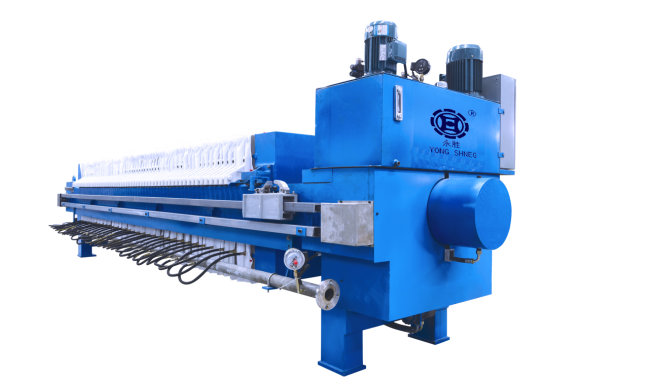
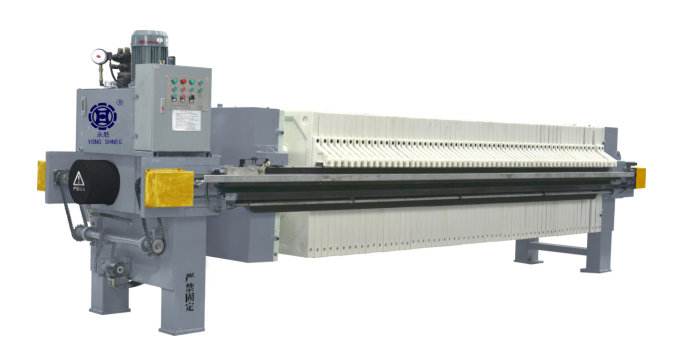
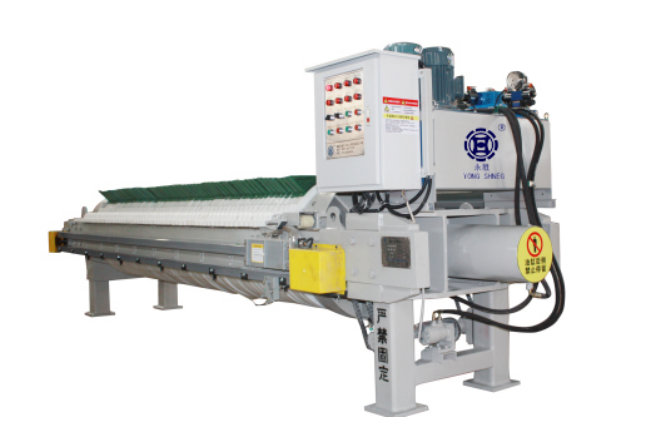
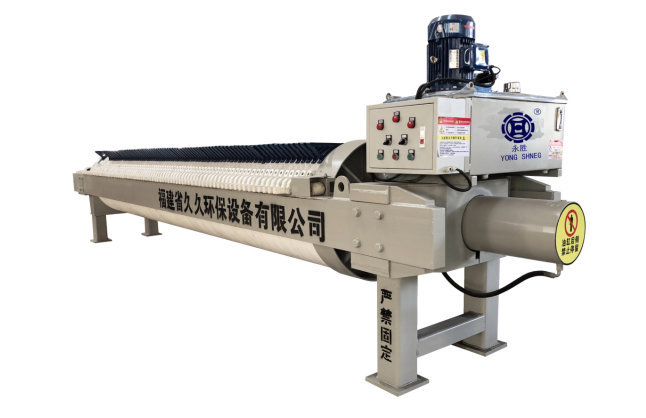
Before 9 a.m., the world you rely on has already been quietly optimized by a technology most people never see. In mines extracting the copper for your phone and in plants synthesizing the active ingredients for your medicine, a single piece of equipment is delivering unprecedented efficiency, safety, and environmental compliance: the membrane filter press. While many technologies have come and gone, the filter press has steadily evolved, and the membrane variant is now quietly revolutionizing the bottom line of heavy industries. This article explains why it’s the indispensable tool for the 21st century.
The Core Advantage: Turning a Cost Center into a Profit Center
The principle is deceptively simple: pump a slurry of liquid and solids into a stack of chambers, apply high pressure, capture the solids as a dry “cake,” and recover the clear liquid. The innovation lies in the membrane plates. Unlike traditional recessed plate designs, membrane plates have an inflatable, elastomeric membrane behind the filter cloth. This allows for a second stage of high-pressure “squeezing” after the initial chamber is filled, achieving moisture content in the cake that is 20-35% drier than older technologies. This single difference has a transformative financial impact.
-
Massive Waste Reduction: Drier cake means less water weight to transport. For a mining operation, this translates to drastically lower haulage costs for tailings. A typical copper mine can see a 50% reduction in hauling expenses by switching to membrane filter presses for dry stacking, turning a costly waste disposal problem into a manageable, stable byproduct.
-
Product Recovery: In chemical and pharmaceutical manufacturing, the clear filtrate (liquid) often contains valuable dissolved products. The membrane press yields a significantly clearer filtrate, meaning more product is recovered in the liquid stream. One European vaccine plant documented a 4.2% boost in product yield by switching from centrifuges to membrane filter presses, a change worth millions annually.
-
Safety and Compliance: In mining, wet tailings stored in ponds are a long-term environmental liability. Dry, stackable cakes eliminate the risk of catastrophic dam failures. This not only is a PR and ethical win but also leads to lower environmental insurance premiums. In chemical processing, the closed, automated system meets stringent cGMP standards, preventing contamination.
Beyond Dewatering: The Niche That Changed a Whole Industry
The impact isn’t just about getting things drier; it’s about enabling entire new processes. A fascinating niche example is in the gemstone and cutting industry. Operations in places like Arizona use miniature filter presses to clarify the glycerin-water coolant used in diamond-tipped saws. The high-pressure filtration removes fine abrasive particles, allowing the expensive coolant to be reused almost indefinitely. This extends the life of the saws, reduces waste, and dramatically lowers operating costs—a perfect illustration of how the technology solves highly specific, high-value problems.
How to Choose the Right Press for a Demanding Application
If you’re evaluating a filter press for mining, chemicals, or pharmaceuticals, generic specs aren’t enough. The demanding nature of these applications means you must look deeper.
-
Pressure is Paramount: For membrane presses, the “squeeze” pressure is critical. You’re not just filling chambers; you’re using 15-20 bar of hydraulic pressure to compress the cake. Ensure the frame, cylinders, and plates are engineered for this continuous, high-stress cycle. Request pressure/cycle time data from the supplier.
-
Material is Mission-Critical: In chemical processing, plate material is non-negotiable. While polypropylene is common, corrosive or high-purity applications demand stainless steel (often 316L or 316Ti) with electro-polished surfaces. The seals and membranes must be compatible with the process fluid—ask for chemical resistance charts.
-
Automation is Not Optional: Modern plants run 24/7. Look for fully automated plate shifters, cloth washers, and cake dischargers. The system should integrate with your plant’s PLC. IoT sensors that monitor cloth integrity, cake moisture in real-time, and hydraulic pressure are now standard on high-end models and prevent unexpected downtime.