May 11, 2026
Is Your Slurry Pump Overheating and Failing in Remote Locations? The Air-Cooled Solution for Harsh Environments
Why Standard Pumps Fail When You Need Them Most
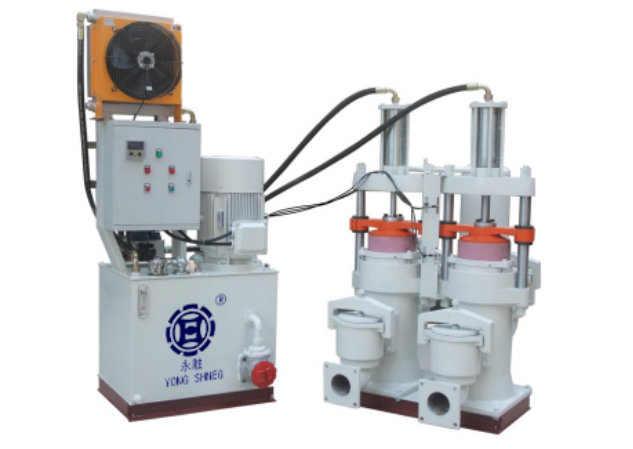
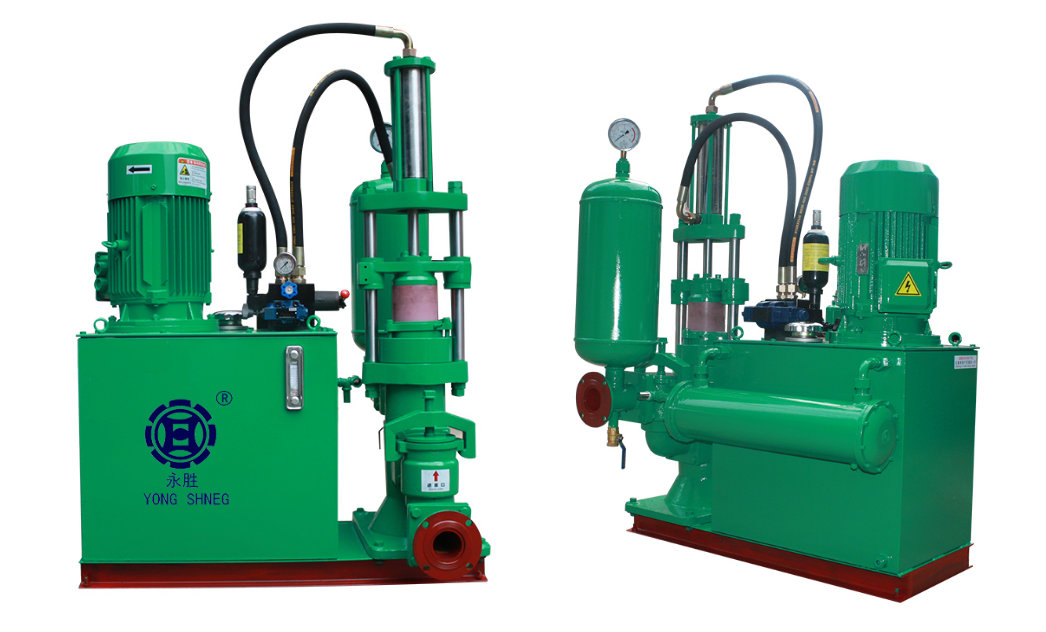
In mining, quarrying, and remote industrial sites, the slurry pump is the heartbeat of the dewatering process. But when that pump overheats and seizes due to inadequate cooling, the entire operation grinds to a halt. For engineers managing sites with limited water supply or extreme ambient temperatures, the standard water-cooled pump is a liability. The YBF Wind Cooling Ceramic Piston Slurry Pump offers a robust alternative: an air-cooled design that eliminates the risk of cooling system failure and provides relentless reliability where it matters most.
The Hidden Risk of Water-Cooled Pumps in Remote Applications
Water-cooled pumps rely on a continuous flow of clean water to regulate the temperature of the power end. In a controlled factory environment, this is manageable. But in a remote quarry or a dusty mine, this dependency becomes a critical vulnerability.
-
Cooling Water Contamination: Dust and debris can clog the cooling water circuit, leading to rapid overheating and catastrophic bearing or gear failure.
-
Water Scarcity: In arid regions or sites where water is a precious resource, using it for cooling is inefficient and often impractical.
-
Freezing Risk: In cold climates, stagnant cooling water can freeze overnight, cracking the pump’s housing and rendering it inoperable.
The YBF pump solves this by removing water from the equation entirely. Its integrated air-cooling system uses a durable fan to dissipate heat directly into the atmosphere, making it a self-contained unit that operates independently of external water sources.
How Air Cooling Extends Pump Life in Abrasive Slurry Duty
Beyond just solving the water dependency issue, the wind-cooled design of the YBF pump provides distinct advantages for handling abrasive slurries.
-
Consistent Temperature Control: The forced-air cooling system maintains a stable temperature in the crankcase, preventing the thermal breakdown of lubricants. This is critical for maintaining the viscosity of the oil that protects the piston rods and bearings from the abrasive particles that inevitably enter the power end.
-
Reduced Maintenance Complexity: Without a water cooling circuit, there are no hoses to burst, no heat exchangers to clog, and no risk of internal corrosion from poor-quality cooling water. This significantly reduces the number of potential failure points and simplifies routine maintenance checks.
-
Ceramic Piston Synergy: The air-cooled design complements the pump’s high-hardness alumina ceramic piston (Hv≥85). While the ceramic handles the abrasive slurry in the wet end, the air cooling protects the mechanical drive train, resulting in a pump that excels in the dirtiest applications.
3 Signs You Need to Switch to an Air-Cooled Slurry Pump
If your current pump is struggling in a harsh environment, watch for these red flags that indicate a need for a YBF-type solution:
-
Frequent Overheating Shutdowns: If your pump’s motor or gearbox regularly trips on thermal overload, especially during summer months, your cooling system is inadequate.
-
High Water Consumption for Cooling: If you are constantly replenishing a cooling water tank or dealing with water disposal issues, an air-cooled pump can eliminate this operational cost and hassle.
-
Unplanned Downtime from Cooling System Failures: If a burst hose or clogged cooler has ever stopped your dewatering process, you need the reliability of a system with fewer mechanical dependencies.
Specifying the Right Air-Cooled Pump for Your Site
When selecting a wind-cooled slurry pump, consider these factors to ensure optimal performance:
-
Verify Ambient Temperature Ratings: Ensure the pump is rated for the maximum ambient temperature of your location. Air-cooled pumps rely on the temperature differential between the components and the air, so extreme heat requires a robust cooling fan design.
-
Assess Dust Conditions: In exceptionally dusty environments, specify a pump with a well-sealed crankcase and a fan design that minimizes dust ingestion, which could potentially clog the internal fins.
-
Prioritize Accessibility: One of the main benefits of the YBF design is reduced maintenance. Ensure the pump you choose has accessible inspection points for easy oil changes and piston seal replacement to maximize uptime.