June 9, 2026
Is Your Dewatering Process Wasting Money on Energy and Slow Cycles?
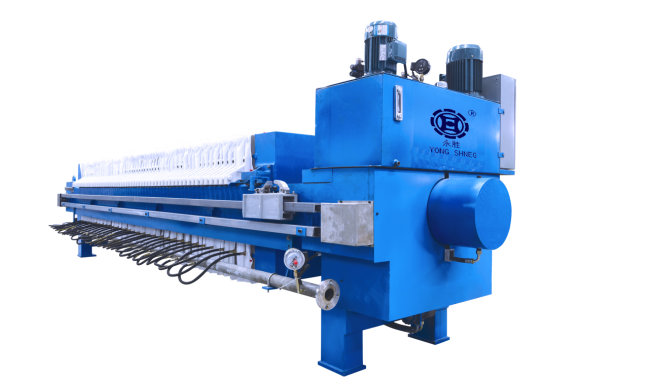
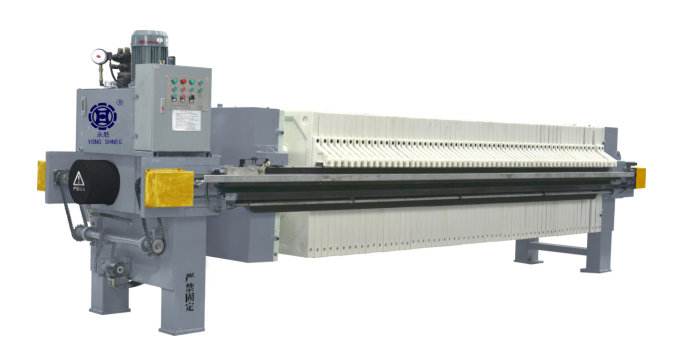
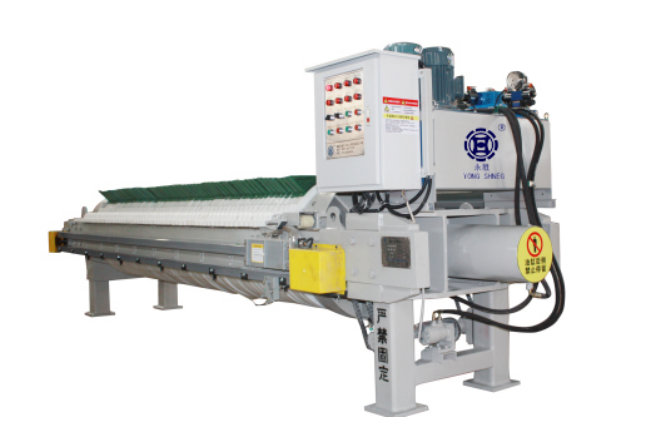
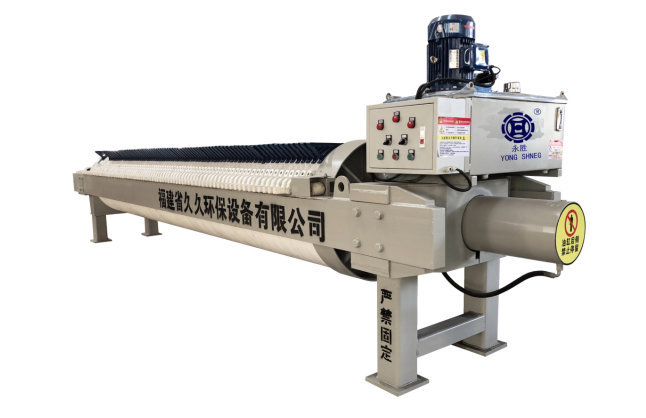
In industries from mining to chemical processing, the solid-liquid separation stage is a major cost center. Traditional filter presses get the job done, but their slow cycle times, high energy consumption, and less-than-optimal dryness leave money on the table. Operators face a constant trade-off: accept higher moisture content in the filter cake for a faster turnaround, or invest in extensive, costly drying to achieve target dryness. The High Efficiency Membrane Filter Press for Industrial Dewatering offers a third path. By integrating a sophisticated two-stage process, it delivers the driest possible filter cake in the shortest cycle time, directly tackling inefficiency at its core. This technology is engineered to convert filtration from a bottleneck into a source of profit. Let’s examine how.
The Two-Stage Advantage: Pressure Filtration, Squeezed to Perfection
The secret to its performance lies in its two distinct operational phases, moving beyond simple pressure filtration to achieve true mechanical squeezing.
-
Stage 1: Low-Pressure Filtration. Like a conventional chamber filter press, the slurry is pumped into the chambers formed by recessed filter plates. Under initial pump pressure (typically ≤0.8 MPa), the liquid passes through the filter cloth, leaving a basic filter cake. This step establishes the initial solid structure.
-
Stage 2: High-Pressure Membrane Squeeze. This is the game-changer. After the initial filtration, an internal elastic membrane on each plate is inflated with compressed air or water. This membrane presses against the formed cake with immense, uniform pressure—up to 2.5 MPa, significantly higher than the feed pressure. This action mechanically compresses the cake, squeezing out the remaining interstitial water that simple pressure filtration cannot remove. The result is a significantly drier, more compact cake.
Tangible Benefits: Where Efficiency Translates to Savings
The operational superiority of the industrial dewatering membrane filter press manifests in clear, measurable outcomes.
-
Drier Filter Cake, Lower Drying Costs: The high-pressure squeeze (≤2.5 MPa) drastically reduces residual moisture. This directly slashes downstream thermal drying energy costs if further processing is required, or reduces transportation weight and handling issues for disposal.
-
Faster Cycle Times, Higher Throughput: The membrane squeeze action is rapid. What might take hours of extended pressure filtration to achieve a marginally drier cake can be accomplished in minutes, significantly shortening the overall “fill-squeeze-release” cycle. This increases the volume of slurry processed per day.
-
Reduced Energy Consumption: The system achieves superior dryness primarily through mechanical force during the short squeeze stage, which is often more energy-efficient than running high-pressure feed pumps for extended periods or relying entirely on thermal dryers.
-
Handles Problematic Slurries: Sticky, fine, or colloidal slurries that blind standard filter cloths or form impermeable cakes in chamber presses are ideal candidates. The membrane’s uniform, high-pressure squeeze can dewater these challenging materials effectively, where other technologies struggle.
The Core Component: The Engineered Membrane Plate
The system’s reliability hinges on the membrane plate. High-quality plates feature:
-
Anti-Fatigue Design: The rubber or polymer membrane is engineered for thousands of inflation/deflation cycles without cracking or losing elasticity.
-
Superior Sealing Performance: Ensures the squeeze medium (air/water) is contained at high pressure, and prevents slurry leakage, maximizing the efficiency of the pressure applied.
-
Chemical and Abrasion Resistance: The materials are selected to withstand a wide range of process chemicals, temperatures, and the abrasive nature of many industrial slurries.
Making the Right Choice: Is This Press for Your Application?
Selecting the correct dewatering technology is critical. Here’s when the high efficiency dual action filter press is the optimal solution:
-
Application Fit: It excels with sticky and thin slurries common in dyeing, textiles, paper/pulp, and certain chemical or pharmaceutical processes. It is also highly effective for materials where maximum dryness is paramount, regardless of particle size.
-
Choosing the Right Model: Key parameters include slurry characteristics, required dry cake capacity (note: chamber volumes listed are post-squeeze), and desired final moisture content. Working with an experienced supplier is crucial to model the process and select a press with the correct number of plates (e.g., 60 to 200 plates as per the provided specifications), chamber volume, and pressure ratings.
Beyond the Machine: The Value of Expert Partnership
Implementing this technology is not just about buying a machine. The value lies in a supplier who provides:
-
Process Consultation: Helping you analyze your slurry to confirm the membrane press is the right fit and to size it correctly, ensuring it meets your throughput and dryness targets.
-
Robust Engineering: Supplying a complete system with a reliable hydraulic system, precise controls, and high-grade membrane plates built for longevity.
-
Ongoing Support: Ensuring optimal performance through proper maintenance guidance and access to spare parts like membranes and filter cloths.
Conclusion: Transforming Filtration from a Cost to a Competitive Edge
The High Efficiency Membrane Filter Press is more than an incremental improvement; it represents a shift in dewatering philosophy. By combining initial filtration with a high-pressure mechanical squeeze, it breaks the traditional speed-versus-dryness compromise. For operations where final cake dryness, processing speed, or energy consumption are critical factors, investing in this technology is a strategic move. It delivers lower operational costs, higher throughput, and a superior product, turning the dewatering process from a necessary expense into a source of operational advantage and tangible ROI.