June 9, 2026
Can Your Slurry Pump Handle High-Solid Content and Abrasive Materials Efficiently?
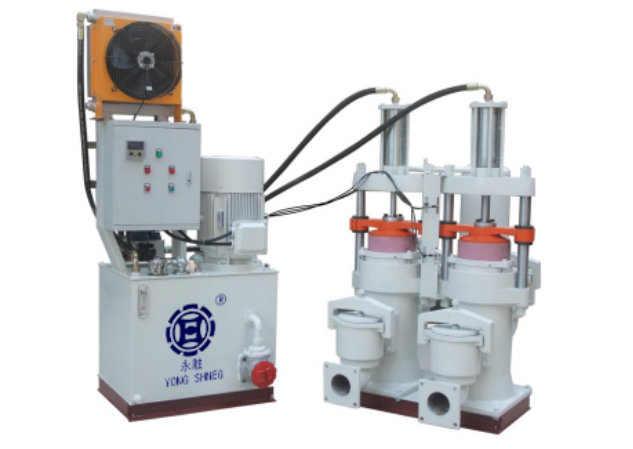
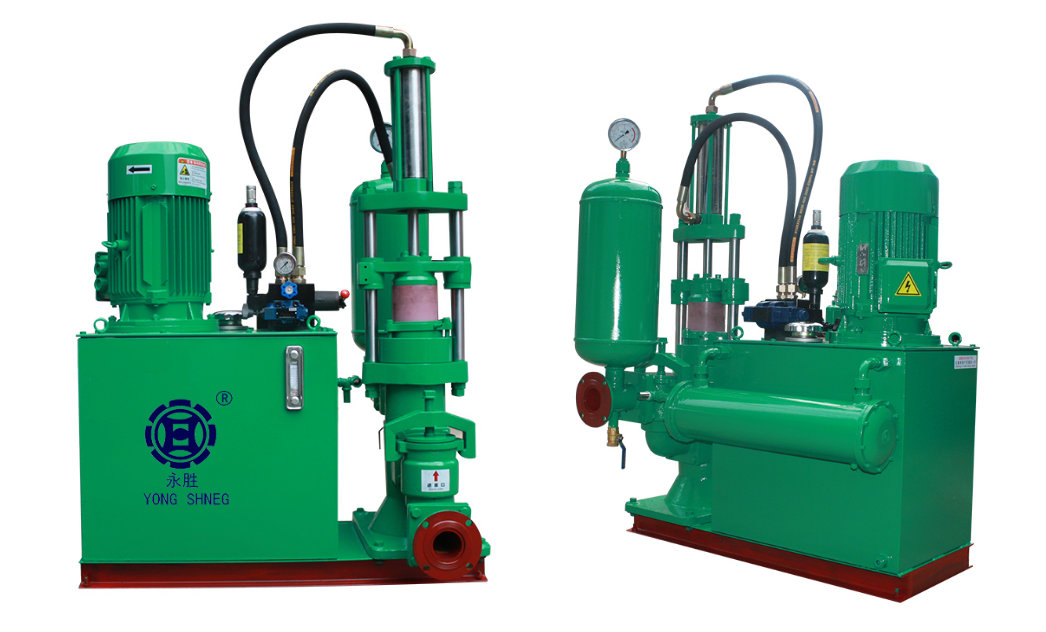
In demanding solid-liquid separation and material transport applications, the efficiency of the entire system often hinges on the reliability of a single component: the slurry pump. When tasked with moving abrasive, high-solids mixtures over long distances or feeding filter presses, a standard centrifugal pump can quickly succumb to wear, clogging, and pressure inconsistencies, leading to costly downtime and maintenance. The YB Single Ceramic Piston Slurry Pump for High-Solids and Filter Press Feeding is engineered specifically for these harsh conditions. As a hydraulically driven, double-cylinder, double-acting piston pump, it delivers a unique combination of high-pressure capability, wear resistance, and consistent flow that transforms challenging pumping operations. Let’s examine how this pump addresses the core failures of conventional slurry transfer methods.
The Core Challenge: Moving Thick, Abrasive Slurries Without Compromise
Industrial slurries, such as those containing ceramic powders, kaolin, mineral tailings, or municipal sludge, present a triple threat to standard pumps: high solids content, abrasive particles, and often, the need for high pressure. Centrifugal pumps struggle with efficiency loss as solids content rises, and their internal components wear rapidly. The Industrial High-Pressure Ceramic Piston Slurry Pump solves this by using a fundamentally different operating principle. It is a positive displacement pump, meaning it moves a fixed volume of fluid with each stroke, regardless of the discharge pressure. This makes it inherently capable of handling the high pressures (up to 2.0 MPa) required for efficient filter press feeding and long-distance pipeline transport, where centrifugal pumps would see a dramatic drop in flow.
Engineered for Endurance: The Ceramic Advantage
The defining feature that sets this pump apart is its use of alumina ceramic plungers (pistons). This material choice is critical for longevity in abrasive environments. Alumina ceramic is extremely hard (HLC 8.5+), offering superior resistance to wear from sand and solid particles suspended in the slurry. This directly translates to a longer service life for the pump’s most critical wearing components. Unlike metal pistons, the ultra-smooth, fine-ground surface of the ceramic plunger (with a roughness of 0.4µm) minimizes wear on seals and reduces the chance of altering the slurry’s characteristics, which is vital in sensitive applications like food or chemicals.
Key Performance Benefits for Industrial Operations
Beyond its robust construction, the YB pump offers operational advantages that boost system efficiency and reliability.
-
Strong Suction & Consistent Pressure: Utilizing a piston and vacuum pump design, it achieves a suction lift of 0-6 meters. More importantly, it provides adjustable, constant slurry pressure (0-20 bar). Once set, the discharge pressure is maintained automatically, even if the flow changes or is completely shut off during operation. This is a critical feature for filter press applications, ensuring optimal cake formation throughout the cycle without pressure spikes or drops.
-
High Efficiency & Energy Savings: As a positive displacement pump, it operates with high volumetric efficiency, especially at higher pressures. The documentation notes that at the same pressure (≥5 bar) and flow, its required motor power can be 1-2 model sizes smaller than other pump types, leading to significant long-term energy cost reduction.
-
Handles High-Solids Content: The pump is designed to transport slurries with solid contents exceeding 70%, making it suitable for thick, paste-like materials that would stall other pumps.
-
Ease of Use and Maintenance: Operation is straightforward, with pressure adjusted via a regulating valve. Maintenance is focused on accessible, low-cost consumable parts—primarily the valve plate and water seal, which typically need replacement only every 3-12 months depending on the abrasiveness of the slurry.
Matching the Right Pump to Your Application: A Selection Guide
Choosing the correct pump model is essential for optimal performance. The YB series is well-suited for transporting ceramic slurry, coal water slurry, kaolin, mineral suspensions, food slurries, and chemical mixtures.
When specifying, consider these key factors:
-
Slurry Characteristics: Confirm the slurry does not contain overly large particles that could cause blockages. For slurries sensitive to iron contamination or that are acidic/alkaline, specialized versions with stainless steel or anti-corrosion components are available.
-
Flow and Pressure Requirements: Determine your required flow rate (M³/h) and system pressure (MPa). The pump provides a rated flow, and selecting a model with a suitable margin is advised. For filter press applications, a variable frequency drive (VFD) pump is recommended for maximum energy efficiency, as it can adjust flow to match the press cycle.
-
The “Rather Big Than Small” Principle: Given the positive displacement nature and the goal of avoiding overworking the pump, it is a standard industry practice to select a model with a flow capacity slightly above the calculated requirement to ensure reliable, long-term operation.
Conclusion: A Strategic Investment for Demanding Pumping Duties
The YB Single Ceramic Piston Slurry Pump represents a targeted solution for the most challenging fluid handling problems in mining, ceramics, wastewater treatment, and chemical processing. Its ability to maintain high, consistent pressure with highly abrasive and high-solids content slurries makes it indispensable for efficient filter press operation and long-distance transfer. By investing in this durable, high-efficiency technology, operations can achieve lower total cost of ownership through reduced energy consumption, minimized maintenance downtime, and extended component life, turning a critical process vulnerability into a pillar of reliable production.