April 29, 2026
Can Your Filter Press Handle the Toughest Sludge? Why Automatic Membrane Technology is the Answer
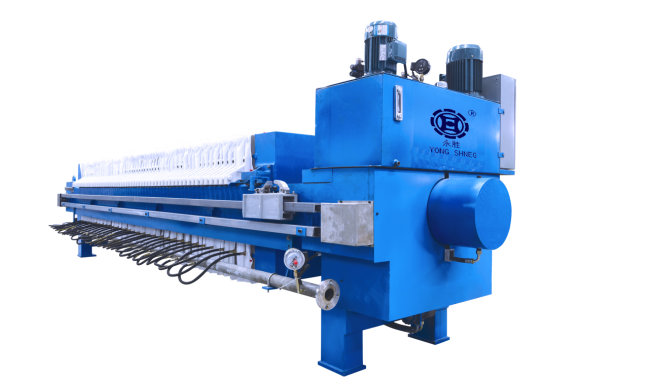
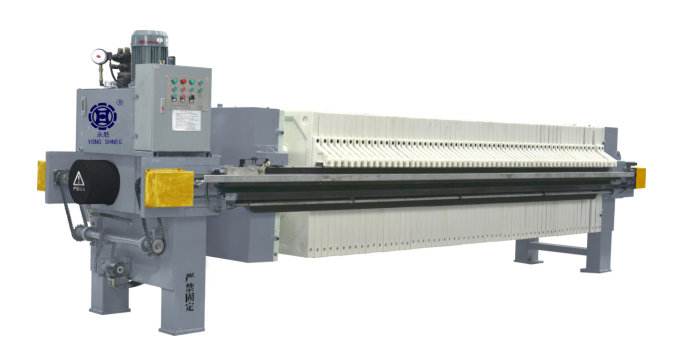
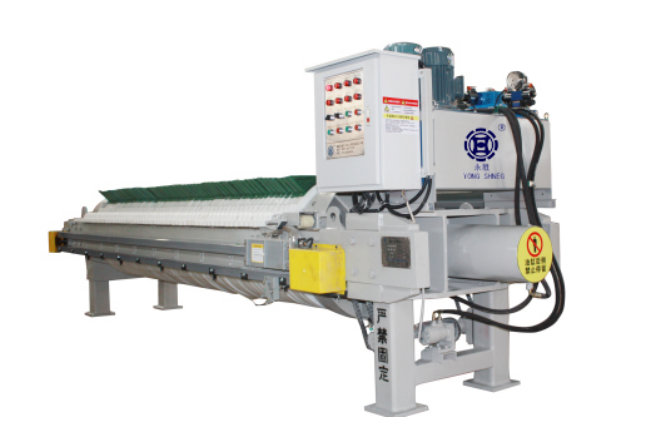
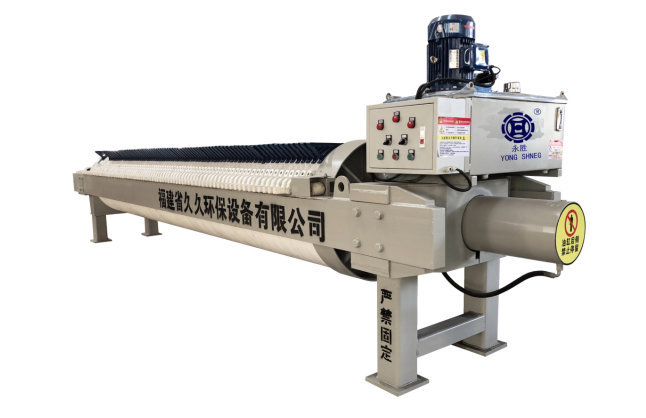
If you’re dealing with sticky, fine-particle sludge that conventional recessed plate presses can’t dewater properly, you’re not just fighting a maintenance battle—you’re burning money on disposal costs and downtime. The solution isn’t more chemical conditioner; it’s a fundamental upgrade to an Automatic Membrane Filter Press. This isn’t just another filter press; it’s the industrial workhorse engineered specifically for high-resistance, high-value dewatering where every percentage point of dryness counts.
Unlike standard models, the membrane press adds a crucial mechanical “squeeze” step that can boost dry solids content by 15–25%, turning problematic slurry into a firm, handleable cake. For plant managers in mining, chemicals, and advanced wastewater treatment, this technology is the difference between a cost center and an efficient, closed-loop process.
How It Works: The Two-Stage Squeeze That Changes Everything
An automatic membrane filter press starts like any other: slurry is pumped into chambers formed by a stack of plates, and liquid passes through the cloth. But here’s where the magic happens.
-
The Membrane Inflation: After the initial filtration, instead of simply opening, flexible membranes on each plate inflate with high-pressure water or compressed air. These membranes press into the cake from both sides, applying uniform mechanical pressure that literally squeezes out the remaining interstitial water that pumping alone can’t remove.
-
The Automation Edge: Once the cycle ends, an automatic plate shifter moves the plates, and the dry cake drops out onto a conveyor. This “feed-squeeze-discharge” cycle runs continuously with minimal operator intervention, drastically cutting labor costs and eliminating the safety risks of manual plate pulling.
The Financial Payoff: Where Ultra-Dry Cake Saves Real Money
The decision to invest in a membrane press often comes down to a simple equation: reduced disposal costs. Hauling water is expensive, and landfills charge by weight.
-
Volume Reduction: By achieving significantly drier cakes, membrane presses can reduce sludge volume by 60–80% compared to liquid sludge or belt press output. This directly translates to fewer truckloads, lower fuel costs, and reduced tipping fees. For a plant generating hundreds of tons of sludge monthly, this saving alone can justify the capital investment.
-
Downstream Benefits: Drier sludge is easier and safer to handle. It doesn’t drip on roads during transport, reducing environmental liability. If your process involves incineration or thermal drying, the higher dry solids content means you burn far less fuel to evaporate water, drastically cutting energy bills.
Beyond Cost: Tackling the “Problem Sludges” That Stop Other Presses
The membrane press isn’t just for standard wastewater. Its real value shines in applications where other technologies fail.
-
Mining & Tailings: For difficult-to-dewater tailings like copper, zinc, or rare earth concentrates, the high-pressure squeeze enables dry stacking. This eliminates the need for hazardous tailings ponds, significantly reducing environmental risk and long-term liability.
-
Chemical & Pharma: In processes where product recovery is critical, the membrane press yields a clearer filtrate and a drier cake, maximizing yield of active ingredients and meeting stringent cGMP standards with its closed, automated system.
-
Sticky Industrial Sludge: For oily, greasy, or colloidal sludges that blind filter cloths on belt presses, the high-pressure “blowdown” of the membrane cycle keeps the cloth clean and the process running.
Is an Automatic Membrane Press Right for Your Plant?
While powerful, this technology isn’t a one-size-fits-all solution. It requires a higher upfront investment than a basic recessed plate press. The payoff is clear if your operation meets one of these criteria:
-
High Disposal Costs: You are paying premium rates for landfill space or long-distance hauling.
-
Tight Space: You need maximum dewatering efficiency in a compact footprint.
-
Difficult Sludge: You are dealing with sludges that are notoriously hard to dewater with traditional methods.
Before committing, any reputable supplier should offer a pilot test. Bring a sample of your actual sludge to their lab or rent a small unit. The data on achievable cake dryness and cycle time from a pilot run is the only way to accurately calculate your ROI.