May 11, 2026
Are You Sacrificing Filter Cake Dryness for Speed? The Hidden Cost of Inefficient Slurry Pumps
Why Your Filter Press Performance Starts with the Pump
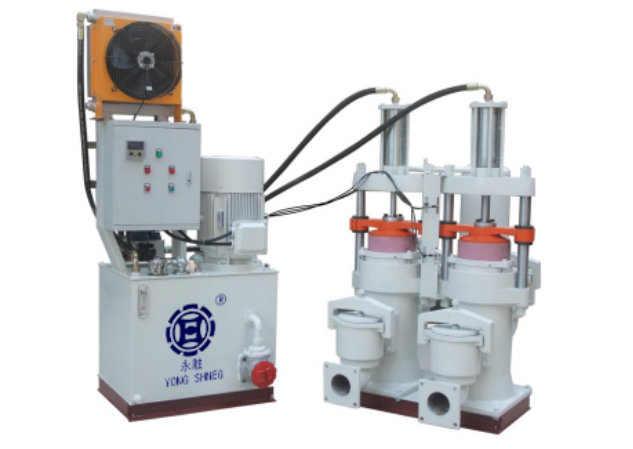
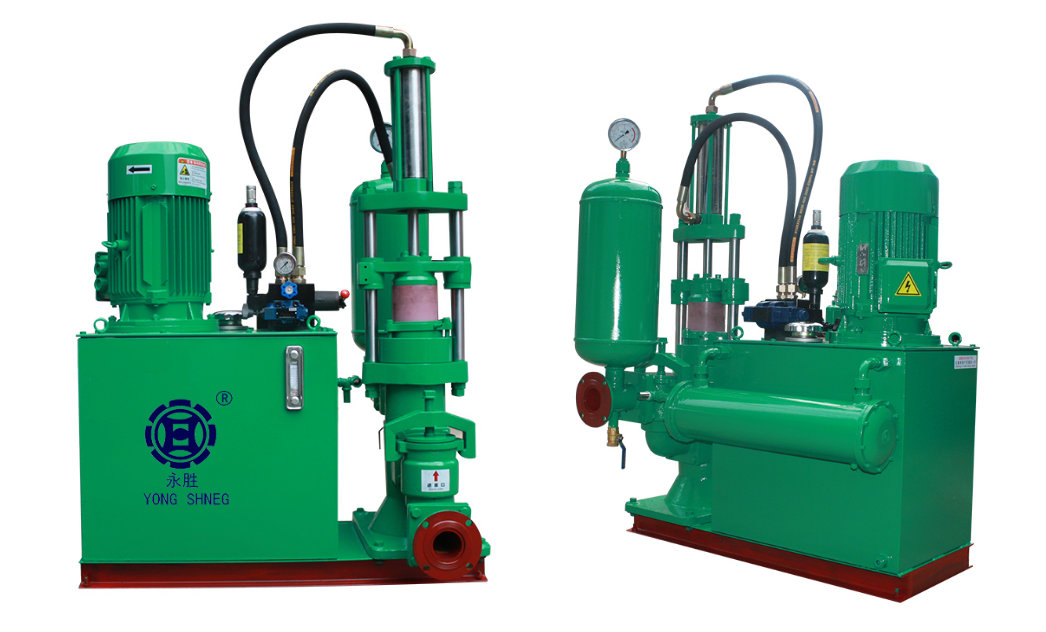
In the world of industrial dewatering, the filter press is often the star of the show. But for plant engineers and operations managers, achieving that perfect, dry filter cake often hinges on a component that works quietly in the background: the slurry feed pump. Many facilities unknowingly sabotage their own efficiency by using mismatched or standard pumps that cannot maintain the precise, high-pressure flow required for optimal dewatering. For B2B buyers focused on maximizing throughput and minimizing disposal costs, upgrading to an Intelligent Variable Frequency Ceramic Piston Slurry Pump (YBP Series) isn’t just an equipment change—it’s a strategic move to unlock the full potential of your filter press.
The Pressure Paradox: More Flow Isn’t Always Better
A common misconception is that a faster-filling filter press is a more efficient one. This leads to the selection of high-flow, low-pressure pumps that quickly fill the chambers but fail to build the sustained pressure needed to squeeze out the last percentage points of moisture. The result is a “wet cake” that increases disposal costs and reduces the value of recovered solids.
The YBP Intelligent Variable Frequency pump solves this by shifting the paradigm from brute forceto controlled power. Unlike standard pumps that run at a constant speed, this pump uses an integrated frequency converter to intelligently adjust the motor speed based on real-time pressure feedback. This ensures that the filter press is fed at the optimal rate throughout its entire cycle—fast filling during the initial stage and high-pressure squeezing during the final stage—without the risk of over-pressurizing and damaging the filter cloths.
The 3 Silent Efficiency Killers of a Standard Slurry Pump
If your dewatering process is suffering from inconsistent results, the culprit is likely your feed pump. Here are the most common, yet often overlooked, failure points:
-
The “Water Hammer” Effect: Standard single-speed pumps create significant pressure pulsations. These shockwaves travel through the feed lines, causing vibration, accelerating wear on valves and pipes, and potentially damaging the delicate filter plates. The intelligent variable frequency drive of the YBP pump provides a smooth, non-pulsating flow that protects your entire system.
-
Energy Waste at Low Demand: During the final high-pressure phase of the filter press cycle, the required flow rate drops significantly. A standard pump continues to draw full power, wasting electricity and generating excess heat. The YBP pump automatically reduces its speed and power consumption when full flow is not needed, leading to substantial energy savings.
-
Inability to Handle Fluctuating Slurry Conditions: Slurry density and viscosity can change throughout a batch. A fixed-speed pump cannot adapt, leading to clogging if the slurry is too thick or inefficient dewatering if it is too thin. The YBP’s variable frequency drive provides the torque needed to handle thick slurries and automatically adjusts to maintain pressure with thinner feeds.
Beyond the Motor: The Ceramic Piston Advantage
The “intelligent” control is only half the story. The YBP pump’s durability comes from its core pumping mechanism: the alumina ceramic piston. This material is critical for handling the abrasive nature of industrial slurries.
-
Extreme Abrasion Resistance: With a hardness of Hv≥85, the ceramic piston resists wear far better than standard metal pistons. This means the pump maintains its volumetric efficiency and pressure capabilities over a much longer lifespan, reducing the frequency of costly downtime for piston replacement.
-
Corrosion Resistance: For harsh chemical environments, the pump’s liquid end can be constructed from materials like SS304 stainless steel, ensuring longevity even when pumping corrosive slurries.
How to Specify an Intelligent Pump for Your Filter Press
Upgrading your feed system requires more than just buying a bigger pump. To ensure a perfect match, consider these factors:
-
Match the Maximum Pressure: Confirm that the pump’s maximum pressure rating (e.g., 2.0 MPa) aligns with your filter press’s design operating pressure. The intelligent pump should be able to reach and hold this pressure steadily.
-
Verify Control Integration: Ensure the pump’s variable frequency drive can accept control signals from your filter press’s PLC (if available) for a fully automated dewatering line. Alternatively, its built-in pressure-based logic should be sufficient for standalone operation.
-
Calculate the ROI: The investment in an intelligent pump is justified by two primary factors: the reduction in cake moisture content (which lowers disposal costs) and the savings in energy consumption. Track these metrics before and after installation to validate the upgrade.