March 10, 2026
Why Are Filter Press Advantages Turning Heads in Modern Industry?
Filter presses used to be the quiet kid in the separation-technology classroom—reliable, yes, but rarely the center of attention. Over the last decade, however, plant managers, sustainability officers, and process engineers have started asking the same question: “What exactly are the filter press advantages that everyone keeps whispering about?”
Let’s Cut to the Chase: What Makes a Filter Press Tick?
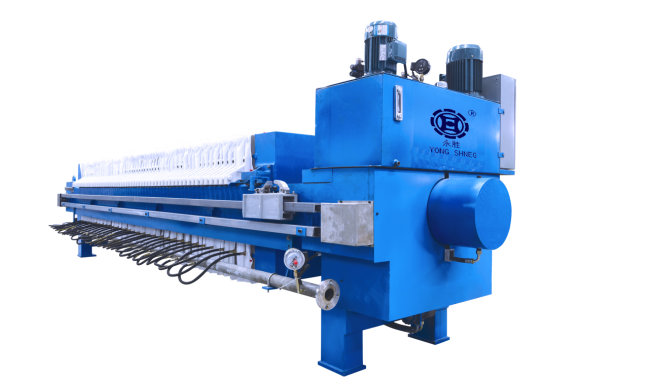
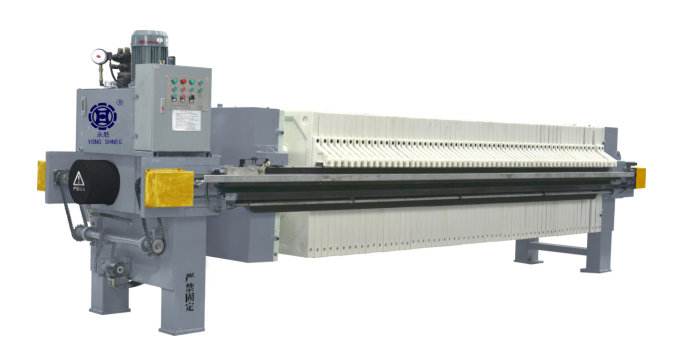
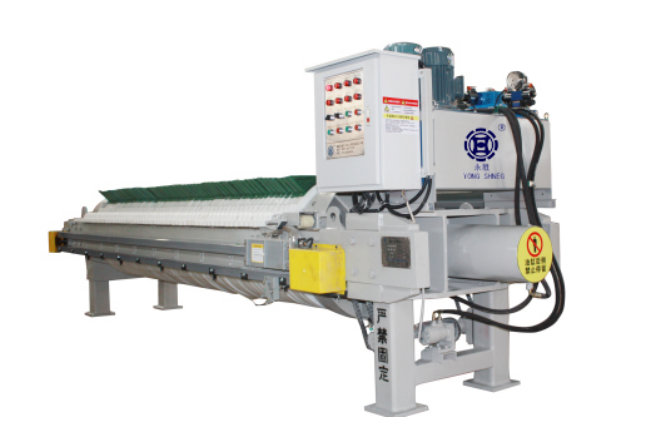
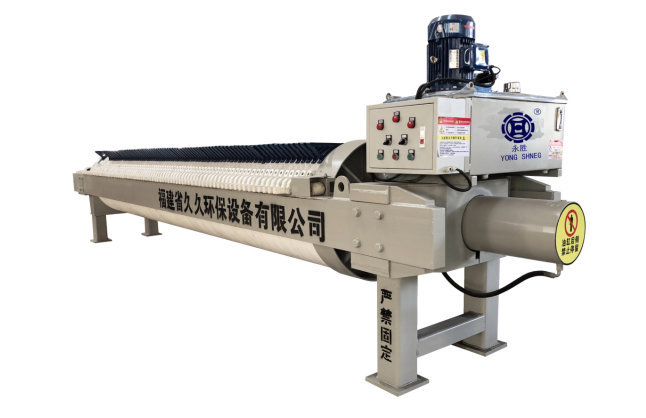
At its core, a filter press is a batch-operated cake filtration device. It squeezes slurry between recessed or membrane plates, separates solids from liquids, and produces a dripping-brick-dry cake. Simple physics, but the magic lies in the combination of pressure (up to 30 bar), precise chamber geometry, and clever cloth selection. The result is a dewatering powerhouse that outperforms vacuum belts, centrifuges, and screw presses in more applications than you might expect.
Advantage #1: Cake Dryness That Cuts Disposal Costs Overnight
Landfill costs are calculated by weight, and nothing adds weight like water. A well-tuned filter press routinely achieves 70–90 % dryness, turning a sludgy nightmare into stackable, fork-liftable cakes. Translation? Less tonnage, smaller bins, and fewer invoices. One wastewater treatment plant in Ohio shaved US $180 k annually off its disposal bill just by switching from a belt press to a 1 m² membrane filter press. That’s not chump change; that’s a full-time salary saved.
Advantage #2: Filtrate Clarity That Lets Water Go Back in the Loop
Water reuse regulations are tightening worldwide. A filter press slashes suspended solids to <10 mg L⁻¹, often eliminating the need for a post-polishing filter. In mining operations, this clarity means process water can be re-circulated without scaling downstream nozzles or fouling heat exchangers. Less fresh water intake, less environmental headache.
Advantage #3: Energy Efficiency—No Spin Cycle Required
Compared with centrifuges that guzzle up to 250 kW per m³ h⁻¹, a filter press sips 15–30 kW during the squeeze cycle and virtually zero during cake discharge. Plus, it operates intermittently, so you can schedule dewatering during off-peak electricity tariffs. Your accountant will high-five you.
Advantage #4: Modular Footprint = Future-Proof Expansion
Need to double capacity next year? No need to rip out concrete. Just add more plates or install a second press in parallel. The modular design keeps downtime to a single afternoon, unlike belt presses that require weeks of realignment. Think LEGO, but for heavy industry.
Wait, Are There Any Catches? Let’s Get Honest.
No technology is perfect. Filter presses demand a bit of operator love: cloth washing, plate shuffling, and occasional cake stickiness troubleshooting. But with today’s automatic cloth washers and vibration shakers, the labor burden drops to less than 20 minutes per shift. In return you get robust performance and a lifespan pushing 20 years. Not a bad deal, huh?
From Brewery toBattery Recycling: Real-World Snapshots
- Food & Beverage: A Czech brewery reduced spent yeast volume by 65 %, turning former waste into high-protein animal feed.
- Chemicals: A Spanish pigment producer hit 96 % dry solids, eliminating hazardous-waste classification and cutting transport costs by half.
- Battery Recycling: A Korean recycler uses membrane presses to dewater lithium hydroxide slurry, achieving <0.5 % moisture and feeding the cake straight back into the calciner.
Same machine, different industries—proof that the advantages of a filter press travel well.
How to Choose the Right Press Without Losing Sleep
Start with three data points: slurry particle size, target cake moisture, and hourly throughput. Then match plate size, membrane type, and filter cloth. If you’re unsure, ask suppliers for a bench-top test; reputable vendors will run a pilot for free or at cost. Never buy blind—your CFO will thank you later.
Bottom Line: Are Filter Press Advantages the Game-Changer You’ve Been Waiting For?
If your pain points are high disposal fees, water scarcity, or rising energy costs, the answer is a solid yes. The technology is mature, yet still evolving with IoT monitoring and automatic plate shifting. Early adopters are already banking six-figure savings while hitting sustainability targets. So, what are you waiting for—another quarter of surcharges?