March 24, 2026
Where Are Filter Press Applications Quietly Revolutionizing Industries You Rely On Every Day?
From Your Morning Coffee to Life-Saving Medicine: How Does a Filter Press Fit In?
Most people have never heard of a filter press, yet before 9 a.m. they have probably consumed or used something that owes its purity to this unassuming piece of equipment. The global filter press applications market is forecast to top USD 1.9 billion by 2030, and the reason is simple: industries that keep society humming—food, pharmaceuticals, mining, wastewater—are under relentless pressure to squeeze out impurities, reclaim water, and meet tightening environmental rules. A filter press does exactly that in a single, compact footprint.
What Exactly Is a Filter Press, and Why Are Engineers Obsessed With “Cake”?
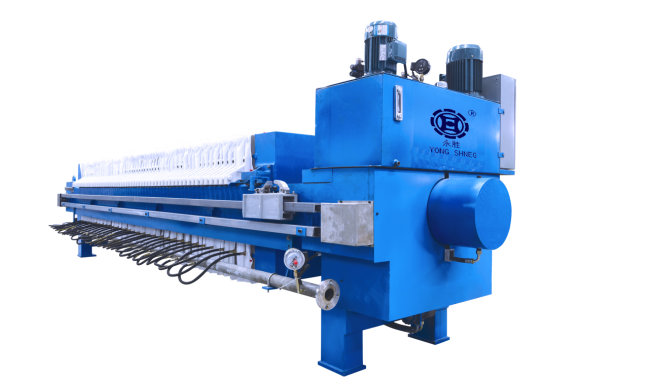
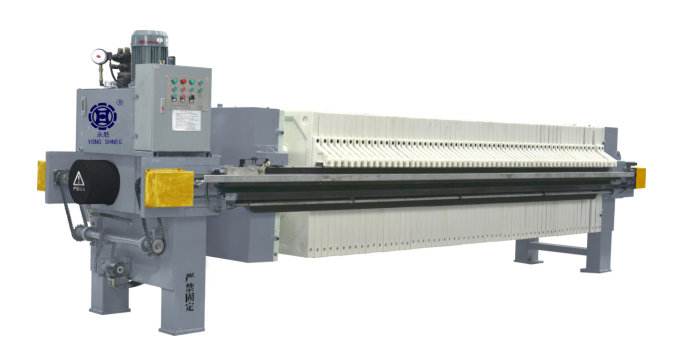
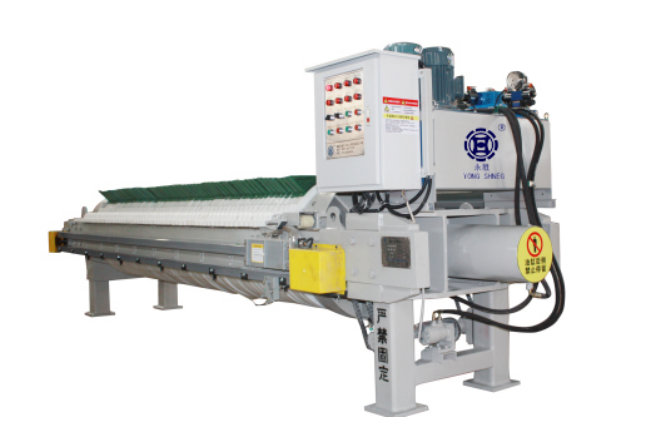
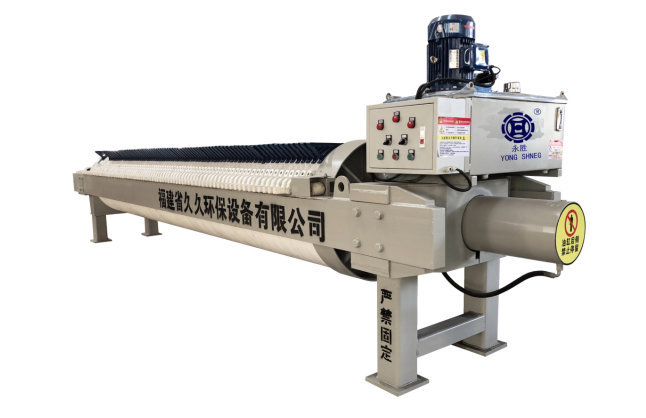
Picture a stack of square or rectangular plates, each covered with a filter cloth. Slurry (liquid mixed with solids) is pumped into the chamber; pressure builds; liquid passes through the cloth while solids stay trapped, forming a firm “cake.” Once the cycle ends, the plates separate and the cake drops out. Sounds straightforward, yeah? But the devil is in the details: plate material, cloth weave, pump pressure, cycle automation, and wash cycles. Nail those variables and you get bone-dry cake and crystal-clear filtrate—music to any process engineer’s ears.
Filter Press Applications in Wastewater Treatment: The Unsung Hero Behind Stricter Discharge Limits
Municipalities and industrial parks face a double whammy: rising sewage volumes and regulations that now measure contaminants in parts per billion. A modern membrane filter press can dewater 20–35% drier sludge than belt presses, cutting hauling costs by roughly half. Plants in Singapore and California even couple filter presses with thermal dryers, achieving zero-liquid-discharge (ZLD). Translation? They send nothing down the sewer—pretty neat trick for a city short on space.
Quick numbers that plant managers love:
- 75% reduction in sludge volume after high-pressure squeeze.
- 90% less polymer consumption compared with centrifuges.
- 99.5% heavy-metal removal when lime conditioning is added upstream.
Mining and Metallurgy: Can a Filter Press Replace Gigantic Tailings Dams?
Absolutely—and for good reason. Tailings dam failures have caused environmental disasters from Brazil to Canada. Dry-stack tailings produced by filter presses eliminate pond storage altogether. Copper mines in Chile report:
- Water recovery of 80–90%, recycled straight back to flotation circuits.
- Long-term storage footprint cut by 65%.
- Reclamation bonds reduced, freeing millions in tied-up cash.
Gold, lithium, and rare-earth producers follow the same playbook, turning slimy tailings into transportable, stackable cakes that no longer pose a geo-hazard. If you think that’s just good PR, ask shareholders; insurance premiums drop like a rock once a mine switches to dry stacking.
Edible Oils & Beverages: How Does a Filter Press Clarify Your Orange Juice?
After extraction, citrus juice still carries pectin, pulp, and enzymes that shorten shelf life. A food-grade polypropylene filter press removes those solids at 0.1 µm without heat, so vitamin C stays intact. The same gear dewaxes sunflower oil, clarifies cocoa butter, and even filters spent grain from craft beer. Manufacturers love the closed system because oxygen pickup is almost nil, meaning fresher taste and longer “best-by” dates. Next time you sip that premium OJ, give a nod to—well—a bunch of plates and cloths.
Pharma & Chemicals: When Purity Means Life or Death, Why Do Engineers Still Trust Filter Presses?
Antibiotic yield, vaccine purity, API recovery—every percentage point matters. Stainless-steel filter presses with electro-polished surfaces meet cGMP standards, while automated cloth washing and “CIP” (clean-in-place) cycles keep cross contamination at zero. A European vaccine plant documented:
“Switching from centrifuges to a 1,500-mm membrane filter press boosted product recovery by 4.2% and cut batch time by three hours.”
That single change added €2.4 million to annual revenue—enough to make any CFO smile.
Specialty Applications You Probably Never Thought About
- Lithium recycling: Filter presses recover lithium carbonate from spent batteries, feeding the EV boom.
- Ink production: They de-water pigment slurries to hit exact color specs.
- Coal ash remediation: High-pressure presses turn ash into bricks, keeping mercury out of groundwater.
- Algae biofuel: Dewatering micro-algae with a filter press slashes drying energy by 60%.
Oh, and here’s a quirky one—an Arizona gemstone mine uses a mini filter press to clarify the glycerin-water mix that cools diamond-tipped saws. Talk about niche, huh?
Market Trends: Is Bigger Always Better?
Not anymore. Plants constrained by real-estate prices now order sidebar automatic membrane presses up to 2 m but only 1.2 m high, fitting inside retrofitted buildings. IoT sensors track cloth wear, cake moisture, and cycle time, pinging operators on their phones. AI algorithms optimize plate shifting sequences, trimming labor by 30%. Sustainability metrics drive demand for recyclable polypropylene plates and water-based hydraulic fluids. In short, the humble filter press is quietly turning into a high-tech, eco-friendly superstar.
How to Choose the Right Filter Press for Your Application
Before you Google “filter press supplier near me,” jot down these specs:
- Slurry characterization: PSD, pH, temperature, solids concentration.
- Required cake moisture (affects plate material and pressure rating).
- Throughput (cubic meters per hour).
- Footprint and headroom limitations.
- Regulatory compliance (FDA, EU 10/2011, ASME, local environmental codes).
Then request a pilot test; reputable vendors run lab-scale trials for free, giving you cake samples you can send to an independent lab. Doing this legwork up front can save you six figures in retrofits down the road—trust me, I’ve seen plants skip this step and live to regret it.
Final Thoughts: Will Filter Press Applications Keep Expanding?
Short answer: yes, and faster than most experts predicted five years ago. Urbanization, stricter effluent norms, and the global push toward a circular economy all play into the hands of this robust, versatile technology. Whether you are a process engineer scouting for filter press applications in lithium brine, a brewmaster chasing crystal-clear ale, or a city manager staring at sludge mountains, the filter press is poised to remain your go-to ally. So the real question isn’t if you’ll use one—it’s when you’ll upgrade to the smarter, greener, and dryer version.