February 10, 2026
What’s the Real Difference Between Centrifuge and Filter Press for Sludge Dewatering?
Ever stared at a spec sheet and wondered, “Which one actually saves me money—a centrifuge or a filter press?” You’re not alone. Plant managers, process engineers, and procurement folks all bump into this question when moisture content, disposal cost, and throughput collide. Let’s unpack the difference between centrifuge and filter press without the marketing fluff, so you can pick the right tech the first time.
1. The Core Principle: Spin vs. Squeeze
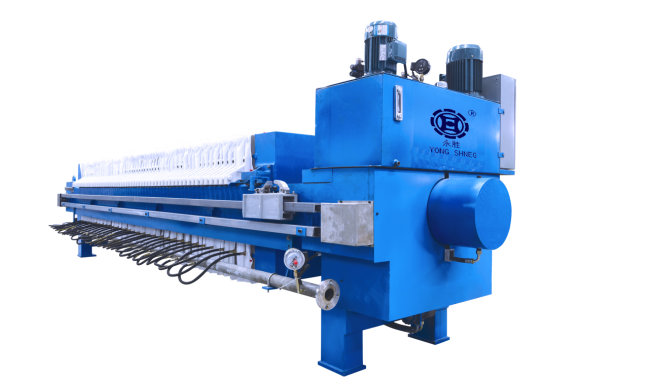
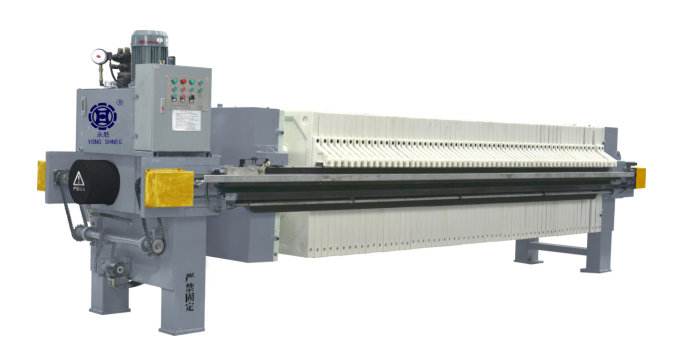
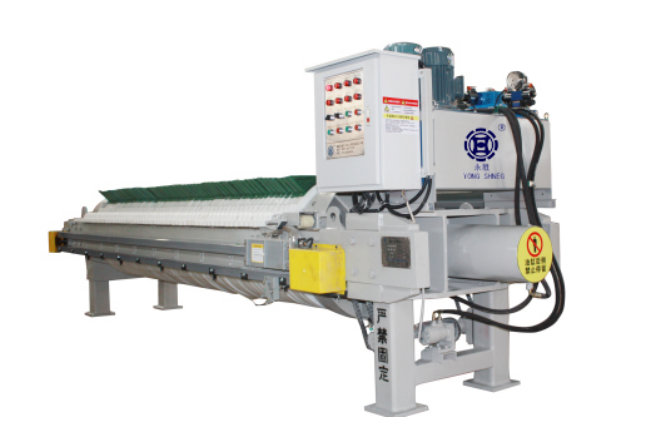
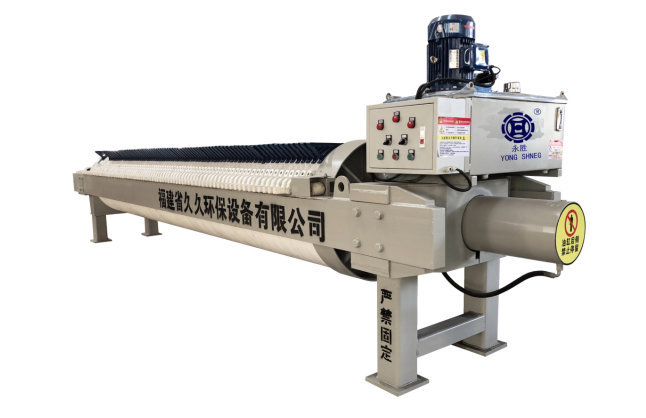
A centrifuge relies on G-force. It spins a bowl at 1,500–4,000 × g, flinging solids against the wall while liquid escapes through weirs or nozzles. Think of a giant salad spinner on Red Bull. A filter press, on the other hand, stacks plates that clamp together and pumps slurry into the chambers. Cloth traps solids; hydraulic rams squeeze the cake dry. One is dynamic; the other is static. That single fact drives every downstream difference.
2. Cake Moisture: Numbers Don’t Lie
Here’s where the rubber meets the road. A decanter centrifuge typically leaves 65–80 % moisture in the cake. Plate-and-frame presses can hit 25–40 %—half the weight, half the landfill fee. If your sludge is headed to a waste-to-energy plant, lower moisture = more BTUs per ton. But hey, if you only need to meet free-draining criteria for a lined landfill, the centrifuge might be “good enough” and save floor space.
3. Energy Footprint: Horsepower per Dry Ton
Let’s talk power draws. A 40 m3/h centrifuge can chew through 90 kW while spinning. A 1,000 mm, 150-plate filter press plus ancillary pumps stays under 22 kW during the squeeze cycle. The centrifuge runs continuously; the press cycles in 45–90 min bursts. Crunch the kWh per kilogram of dry solids and you’ll see the press winning—unless your stream is oily or heats up. Then the centrifuge’s self-cleaning bowl keeps things moving without filter cloth blinding.
4. Operator Love/Hate Factor
Scroll down any Reddit thread and you’ll spot the meme: “Filter presses are high-maintenance divas.” Yeah, cloth washing, plate shifting, and drip trays add labor hours. Centrifuges look sexier on paper—until you try to change a worn scroll or balance a bowl at 3 a.m. on a Sunday. Bottom line: if your crew hates wrenching, budget for an automatic cloth washer and a membrane squeeze on the press. If they hate babysitting, opt for a VFD-controlled centrifuge with remote vibration probes.
5. Capital vs. OPEX: A 10-Year TCO Model
CAPEX for a midsize 1-meter decanter runs $350–450k installed. A 1,200 mm recessed plate press lands around $250k including shimming and drip trays. Over ten years, the press wins on polymer and haul-off savings, provided you stay under 6 % downtime. Toss in a high-oil stream that blinds cloth every week, and the centrifuge TCO flips. Build a quick spreadsheet: list polymer cost, energy, spares, and sludge tipping fee. The math will shout at you.
6. Footprint & Retrofit Headaches
Got a cramped basement? A decanter centrifuge needs length for the bowl and a 3-meter drop for the discharge conveyor. A filter press stands vertical; you need height for the hydraulic pack and a plate shifter, but you can tuck it into a corner. Retrofitting an old DAF building? Measure your door width—filter presses come in bolted sections; centrifuges arrive as one welded skid. Sometimes logistics trump specs.
7. Hidden Gotchas: Foam, Fibers, and Floc
Centrifuges hate foam; it collapses the liquid ring and kills torque. Add an antifoam or a small vacuum deaerator. Filter presses hate fibers longer than 5 mm; they poke through cloth and cause “yellow water” filtrate. Install a 2 mm drum screen upstream. Each technology has its kryptonite—spot it early and you’ll dodge a callback.
8. Which One Scales Better for Future Flow?
Planning to double throughput in five years? Centrifuges scale by bowl diameter and length; you can run two in parallel. Filter presses scale by adding plates or installing a second unit. Parallel centrifuges give redundancy; twin presses give staggered batch cycles. Ask your accountant which depreciation schedule she likes better—both paths work, but only one matches your expansion timeline.
9. Regulatory Snapshot: Are You Chasing LEAB or EU 2018/851?
European landfill directives cap organic content at 5 % and require < 35 % solids if headed to thermal treatment. U.S. EPA 40 CFR 503 sets pathogen reduction and vector attraction cut-offs. A filter press hits the 38 % solids threshold without lime, simplifying your VAR paperwork. A centrifuge may need post-thickening or lime addition, which triggers extra air-quality permits. Check your local code before you fall in love with a datasheet.
10. Quick-View Comparison Table
| Parameter | Decanter Centrifuge | Recessed Filter Press |
|---|---|---|
| Moisture in cake | 65–80 % | 25–40 % |
| Energy per dry ton | 45–70 kWh | 20–35 kWh |
| Operator hours/week | 5–8 | 10–15 |
| Spare parts star | Scroll, bearings | Cloths, hydraulic seals |
| Footprint (L×W×H) | 4×2×2 m | 3×1.5×3 m |
11. Real-World Case: 120 m3/d Municipal Sludge
The city of Ålborg, Denmark, swapped two 2-meter belts for a single high-torque decanter. Result: 30 % lower polymer, but cake rose from 22 % to 42 % moisture. Disposal cost jumped €12 per wet ton. Lesson learned: if landfill tax is €80 per ton, the extra moisture eats your savings in under a year. They reverted to a membrane press and now hit 35 % solids at half the polymer dose. Data beats dogma every time.
12. Decision Matrix: Pick Your Winner in 5 Minutes
- Is cake dryness mission-critical? If yes → filter press. If no → proceed.
- Is energy surcharge > €0.15 per kWh? If yes → filter press. If no → proceed.
- Is operator availability < 2 h/day? If yes → centrifuge. If no → proceed.
- Is future flow uncertain? If yes → centrifuge (easy parallel). If no → proceed.
- Is your sludge oily or foamy? If yes → centrifuge. If no → filter press wins.
Run the checklist. You’ll land on the right side of the difference between centrifuge and filter press without second-guessing.
13. Parting Shot: Don’t Ignore the Small Print
Whichever route you choose, insist on a 30-day pilot. Sludge is a snowflake—unique every season. A rental unit on site trumps any glossy brochure. And hey, if your vendor won’t do a trial, that tells you everything about their confidence level.