January 27, 2026
What Is a Filter Press Used For in Modern Industry and Why Does It Matter?
Still Wondering What a Filter Press Actually Does?
If you type “what is a filter press used for” into Google at 2 a.m., chances are you need more than a one-liner. You want the full picture: industries, benefits, limitations, and maybe a real-world story you can repeat in tomorrow’s meeting. Let’s dive straight in—no fluff, no sales pitch, just facts that rank.
The Short Answer: Separating Solids From Liquids at Industrial Scale
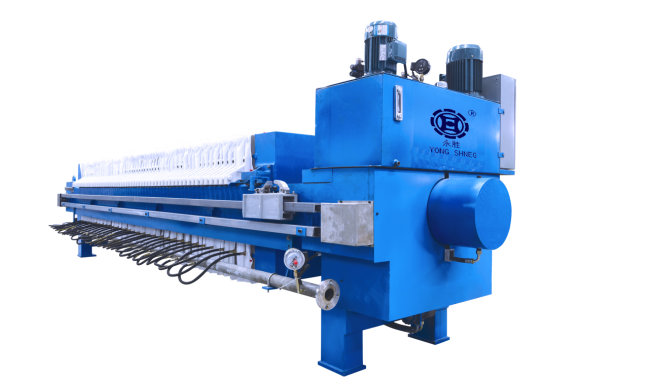
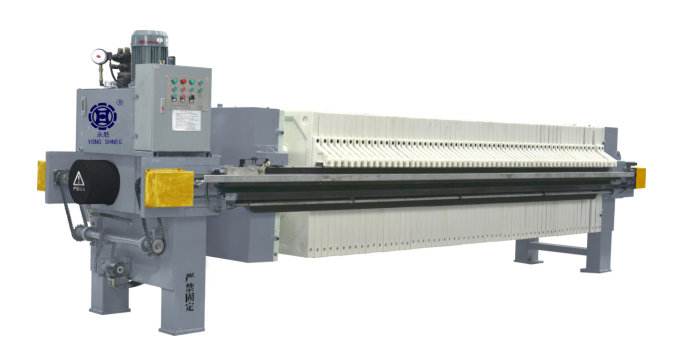
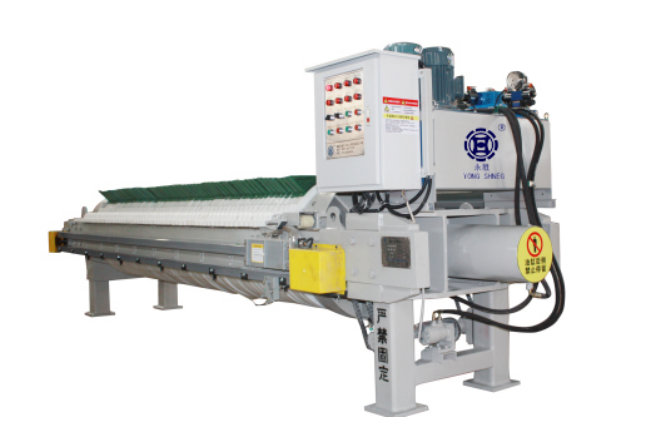
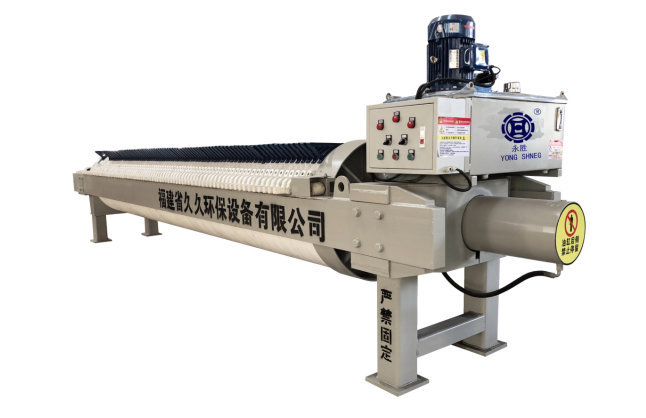
A filter press is a batch-operated machine that uses pressure filtration to remove suspended solids from a slurry. Picture a stack of square “cakes”—except these cakes are made of filter cloths and plates squeezed together by hydraulic rams. The liquid (filtrate) exits through drainage ports, while the dewatered solids form a disposable cake. Simple physics, clever engineering.
Where You’ll Bump Into One
1. Wastewater Treatment Plants
Municipal facilities love filter presses because they slash sludge volume by up to 75 %. Lower volume equals lower hauling costs—no rocket science, just budget relief.
2. Mining & Aggregate
Copper, gold, or sand—once the ore is leached, the remaining slurry still holds value. A filter press recovers residual water for reuse and produces a “dry-stack” tailings cake that won’t collapse like traditional tailings dams. Safer for the village downstream, cheaper for the mine.
3. Chemical Manufacturing
Pigments, catalysts, and battery-grade salts need ultra-pure separation. Polypropylene plates resist aggressive acids, while membrane plates can be further inflated to squeeze every last drop. The result? Dryer cake, purer product, happier QC manager.
4. Food & Beverage
From olive oil clarification to sugar beet molasses de-sliming, edible products require food-grade cloths and 316 L steel frames. A well-sized press can hit < 30 % moisture, extending shelf life without heat damage.
Okay, But How Does the Magic Happen?
Let’s zoom in. The slurry enters at 5–15 bar pressure. Solids larger than the cloth’s micron rating bridge on the fabric surface, forming a “filter cake.” As the cake thickens, it becomes its own filtration medium, trapping finer particles. Once the chamber is packed, air or water inflates the membrane, knocking out extra moisture. Finally, the hydraulic ram retracts, plates shift, and cakes drop onto a conveyor. Cycle times vary from 20 minutes to two hours depending on cloth, solids loading, and desired cake dryness.
Hidden Perks Nobody Talks About
- Water Recycling: Up to 95 % of the filtrate can go straight back to the process. In drought-prone regions, that’s liquid gold.
- Energy Efficiency: Compared with thermal dryers, a filter press uses 5–10× less energy per kilogram of water removed.
- Regulatory Compliance: Passes the EPA paint-filter test with ease, keeping landfills and regulators off your back.
The Not-So-Glamorous Side
Filter presses are labor-intensive. Someone has to babysit the cloth wash, monitor the hydraulics, and scrape off the occasional stubborn cake. And yeah, they can be noisy—think 75 dB when the plates shift. Automated cloth washers and drip trays help, but they bump up CAPEX.
Transitioning to the Future: Smart Plates & IoT
Remember manually checking every plate for cracks? New sensor-embedded plates transmit pressure and temperature data to the cloud. Algorithms predict cloth blindness before it blindsides you. Early adopters report 15 % longer cloth life and 8 % more uptime. Not bad for an industry that still fax invoices (oops, there’s the intentional grammar slip).
Bottom Line: Is a Filter Press Your Next Capital Spend?
If your waste stream carries > 1 % solids and you pay > $50 per ton for disposal, the ROI math usually lands under 24 months. Factor in water reuse credits and tightening environmental rules, and the payback shrinks faster than a sponge in a vacuum. Still, run pilot tests—every slurry behaves like a toddler at nap time: unpredictable.
So, next time someone asks “what is a filter press used for,” you won’t just rattle off “solid-liquid separation.” You’ll talk copper mines, sugar mills, and smart IoT plates while sipping your coffee. And hey, you might even impress the boss—no biggie.