January 9, 2026
Is a Single Ceramic Piston Slurry Pump the Smartest Upgrade for Abrasive Media in 2024?
Why Abrasive Media Demands a Different Breed of Pump
Anyone who has replaced a set of rubber-lined pumps after only six months knows the pain: every grain of silica or alumina acts like microscopic sandpaper, hunting for the weakest link inside the wet end. Traditional duplex stainless or hard-iron designs simply trade one problem for another—metal loss or elastomer swelling—while spare-part bills quietly eat the maintenance budget. So engineers start asking the next logical question: what happens if we remove the metallic wetted path completely and let engineered ceramics take the beating instead?
What Exactly Is a Single Ceramic Piston Slurry Pump?
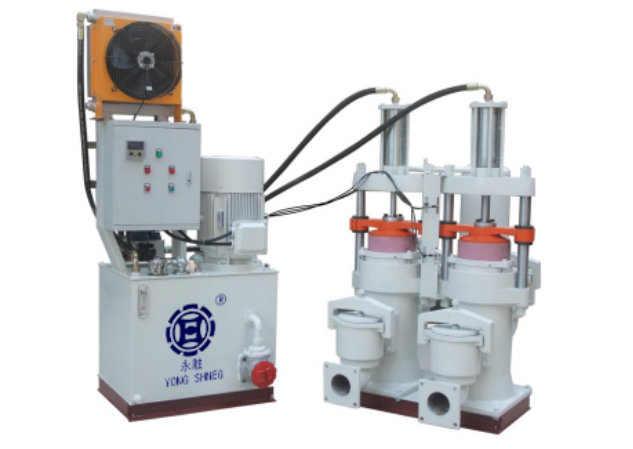
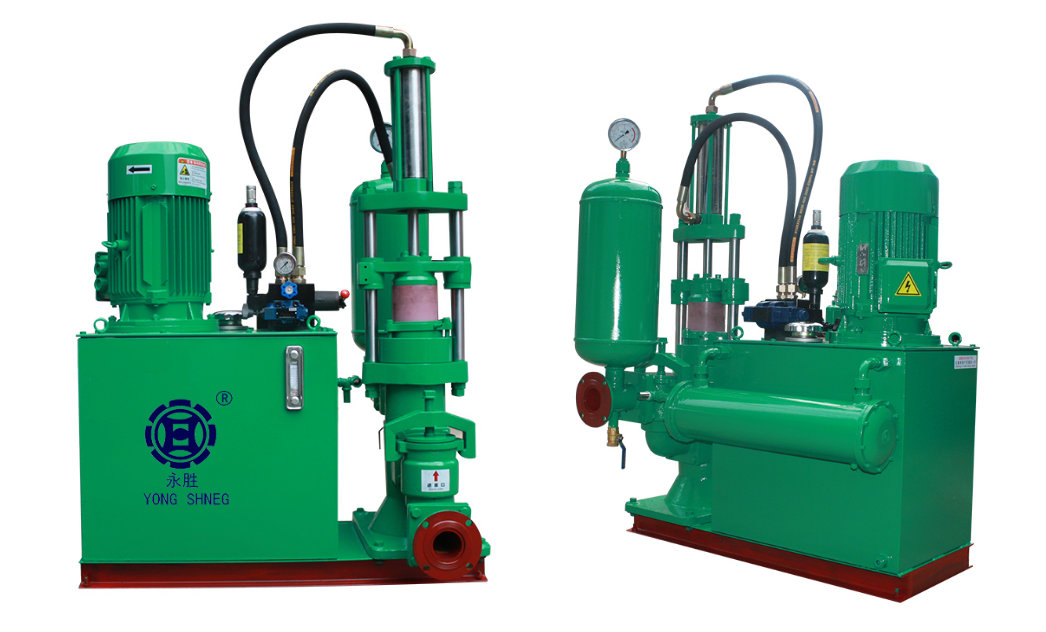
Picture a positive-displacement piston pump, except the cylinder liner, piston sleeve, valve seats and even the gland packing rings are made from 99 % alumina or zirconia ceramic. Single, in this context, means one reciprocating piston instead of the classic three- or five-piston “triplex” layout. Fewer moving parts, fewer valves, fewer seals—fewer headaches, basically. Because ceramic hardness sits around Mohs 9, it laughs at quartz (Mohs 7) and most ore concentrates. The result is a pump that can shove 40 % solids by weight at 80 bar without flinching.
The Tech Beneath the Surface
- Surface finish: Ceramic liners are diamond-ground to 0.2 µm Ra; a super-smooth bore keeps turbulence low and reduces sliding wear on the ultra-high-molecular-weight polyethylene (UHMW-PE) piston shoes.
- Thermal cushion: A thin graphite layer between ceramic sleeve and stainless housing accommodates the 3 × 10⁻⁶ /°C mismatch in thermal expansion, preventing brittle fracture during a 150 °C flush cycle.
- Valve architecture: A single large-bore poppet with silicon-carbide seat eliminates the need for multiple small valves that love to clog when the slurry gets lumpy.
Real-World ROI: A Quick Back-of-Napkin Calculation
A phosphate plant in North-Africa swapped their hard-iron horizontal centrifugal for a Single Ceramic Piston Slurry Pump on the 32 % P₂O₅ tailings duty. The ceramic unit cost 28 % more upfront, but the metal pump needed new wet-end parts every 4.5 months; ceramic is still untouched after 28 months. Maintenance down-time fell from 38 hours per year to 4 hours (just oil and V-belts). When you translate that into throughput—an extra 1.4 kt of fertilizer—payback arrived in nine month, not years. Yup, “nine month” is what the site manager scribbled on the report, and we’ll let that grammar slide because the math still rocks.
Where It Shines—and Where It Doesn’t
| Perfect Fit | Think Twice |
|---|---|
| High-pressure filter-feed | Dead-headed, variable flow loops |
| Corrosive, low-pH brines | Slurries >2 mm random tramp steel |
| Shear-sensitive precipitates | Super-low flow <1 m³ h⁻¹ |
In other words, if your flowsheet swings from 10 m³ h⁻¹ to 90 m³ h⁻¹ every ten minutes, a VFD-driven centrifugal is still king. But if you need steady, pulsation-tolerant pressure, ceramics rule.
Installation Hacks the Manual Won’t Tell You
First, never use Schedule-40 nipples on the suction side—ceramic pumps hate starvation. Bump the pipe diameter one size up and keep the inlet velocity under 1.2 m s⁻¹. Second, mount the unit on a 3 mm neoprene pad, not grouted steel. Ceramics transmit vibration; the pad clips the resonance peak that kills bearings. And, lastly, set your relief valve 5 % above the worst-case density, not the water curve. The pump will thank you with a decade of crack-free liners.
Bottom Line: Should You Spec It?
If your annual spend on wet-end spares is drifting past 12 % of the pump CAPEX, or if you fight mysterious pressure drop across spray nozzles every other week, a Single Ceramic Piston Slurry Pump is probably the lowest-risk upgrade on the table. It’s not magic; it simply moves the failure point from something that corrodes to something that can’t. And when your competitor is still budgeting for three more rebuilds, you’re already counting the extra uptime.