February 6, 2026
How Exactly Does a Filter Press Work to Turn Slurry Into Dry Cake?
Ever stared at a stack of filter cakes and wondered what sorcery squeezes water out so aggressively? You’re not alone. The keyword filter press how it works keeps popping up in Google Trends because engineers, plant managers, and even curious students want to see behind the curtain. Let’s peel that curtain back—without the textbook jargon.
First Things First: What a Filter Press Actually Is
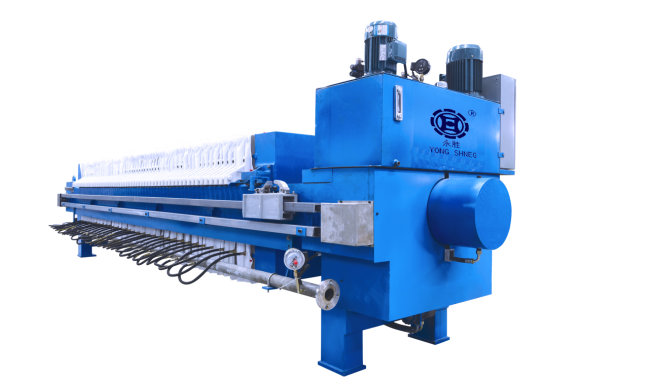
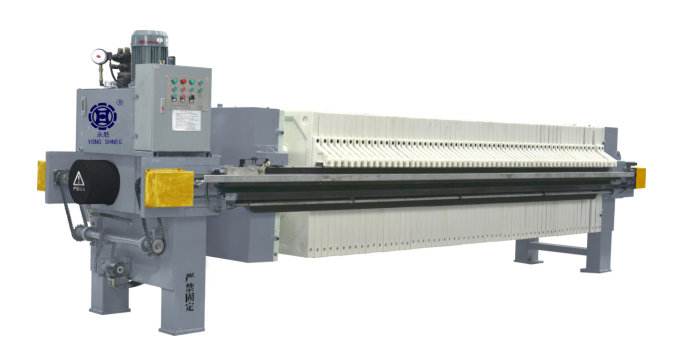
A filter press is a batch-operated, pressure-driven solid-liquid separation device. Think of it as a giant, high-tech clothes-wringer. Instead of shirts, you feed it slurry, and instead of your mom complaining about wet laundry, you get a stack of dry filter cakes and crystal-clear filtrate. Simple, right? Well, the devil’s in the details.
Step-by-Step: Filter Press How It Works from Feed to Cake Discharge
1. Filling the Beast
The cycle kicks off when a positive-displacement pump pushes slurry into the press manifold. The slurry then races into each chamber formed between recessed plates. Picture a sandwich where every slice of bread is a plate and the mayo is your slurry. No mayo jokes, promise.
2. Solids Begin to Party
As pressure climbs—usually 4–16 bar—the liquid phase looks for the path of least resistance: the filter cloth. Solids, too large to pass through the cloth’s pores, start to accumulate. Within minutes, a thin layer of solids forms; this first layer actually becomes the real filtering medium, turning the cloth into a support rather than the primary barrier. Neat trick, huh?
3. Cake Builds and Moisture Drops
With the cake now acting as a secondary filter, finer and finer solids get captured. Meanwhile, the clear filtrate exits through corner ports and is collected for reuse or disposal. The key metric here is cake thickness; once it reaches the designed gap—say 25–40 mm—the press signals “full house.”
4. Core Blow & Membrane Squeeze (Optional but Cool)
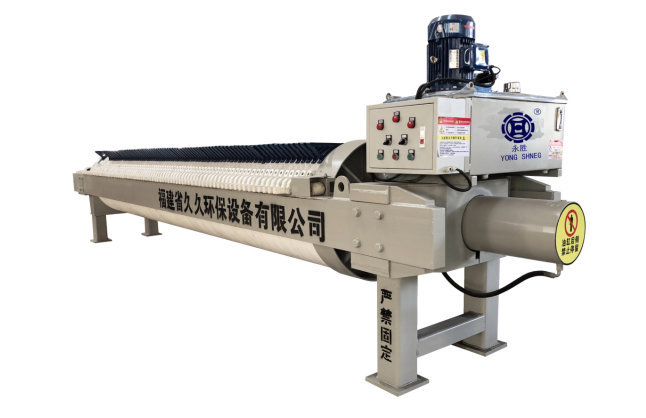
Many modern units feature membrane plates. After the main feed pump stops, water or air inflates the membrane, physically squeezing extra moisture outta the cake. It’s like a gentle hug that happens to expel 3–7 % more moisture. Hey, every drop counts when you pay for disposal by weight.
5. Opening & Cake Discharge
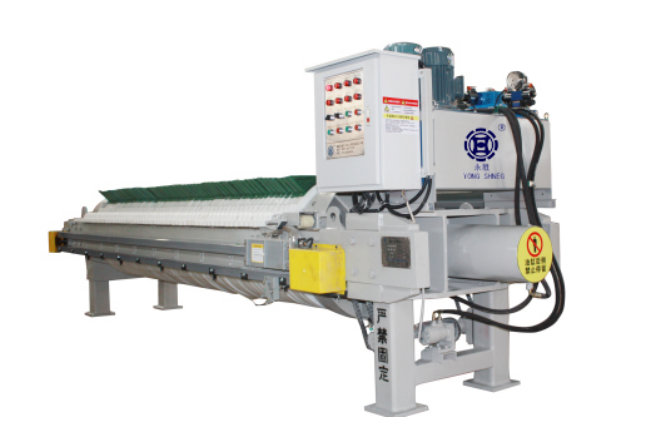
Once the PLC is happy with pressure and flow criteria, the hydraulic ram relaxes, plates separate, and cakes drop onto a conveyor or bin. Gravity does the final bit; no shovels, no mess. Unless your cloth is blinded—then you’ll need a pressure washer and some patience.
Why All the Hype About Filter Presses Anyway?
Three words: lowest moisture. Compared to belt or drum filters, a well-tuned press delivers cakes as dry as 20 % moisture by weight for mining tailings. That slashes hauling costs and keeps environmental inspectors smiling. Plus, modern programmable logic controllers let you run the cycle unattended, saving night-shift wages.
Transitioning from Theory to Troubleshooting
Alright, so you grasp the big picture. Let’s switch gears and talk hiccups—because nothing ruins your Friday like sludge where cake should be.
Common Oops Moments (and Quick Fixes)
- Cloudy filtrate: Usually torn cloth or misaligned plate. Swap the cloth or re-seat the plate; problem solved.
- Cakes won’t release: Moisture too high or cloth blinded. Increase squeeze time or swap to a mono-filament cloth with better cake release.
- Slow cycle: Feed pump worn. Check stator and rotor clearances; replace if above 2 mm.
Design Tweaks That Make or Break Performance
Specifying a filter press isn’t just “how many plates.” You gotta juggle cloth material, plate thickness, feed pressure, and cake wash requirements. Polypropylene plates handle most pH ranges, but go for membrane plates if you chase ultra-dry cakes. And, oh, always oversize your feed pump by 10 %; it’s cheaper than watching cycle times crawl.
Environmental Perks No One Mentions in Brochures
By squeezing out every last milliliter, a filter press reduces sludge volume up to 75 %. That means fewer trucks on the road, lower Scope 3 emissions, and a legitimate bullet point for your ESG report. Customers notice; regulators smile, and your CFO finally stops asking why you spent cap-ex on “that metal sandwich thing.”
Future-Proofing: Automation, IoT, and AI
Imagine a press that texts you “Cloth needs changing next week.” New IoT sensors track pressure decay, vibration, and filtrate clarity in real time. Couple that with machine-learning algorithms and the system predicts optimal squeeze times, cutting energy use by 8–12 %. Pretty slick for a technology older than your grandpa.
Bottom Line—Should You Still Invest in a Filter Press?
If your plant produces more than 5 m³ of slurry per day and landfill fees keep you awake at night, the answer is a resounding yes. Even with evolving tech like decanter centrifuges, the humble filter press remains unbeaten on final cake dryness and energy per tonne. Just remember: buy quality cloth, train your operators, and don’t skip routine maintenance. Do that, and this “metal sandwich” will repay you in spades.