January 20, 2026
How Does a Filter Press Work to Slash Slurry Dewatering Costs?
Let’s face it—when plant managers Google “how does a filter press work,” they’re not hunting for a textbook diagram; they need to know if this bulky beast can squeeze every pricey drop of water out of their sludge and keep energy bills from sky-rocketing. If that’s you, grab a coffee, kick back for five minutes, and we’ll walk through the nuts, bolts, and tiny valves that turn murky slurry into stackable cakes (and, yeah, reusable filtrate).
First Things First: What Exactly Is a Filter Press?
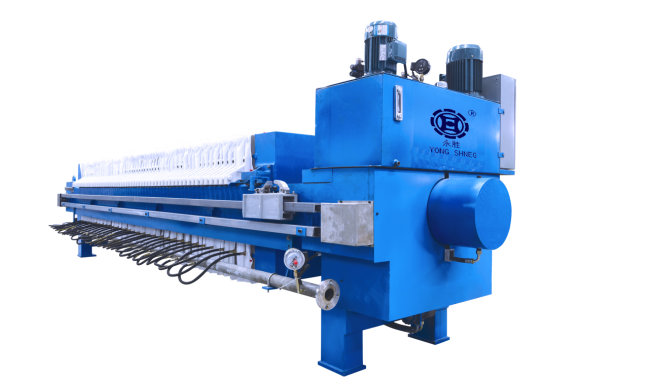
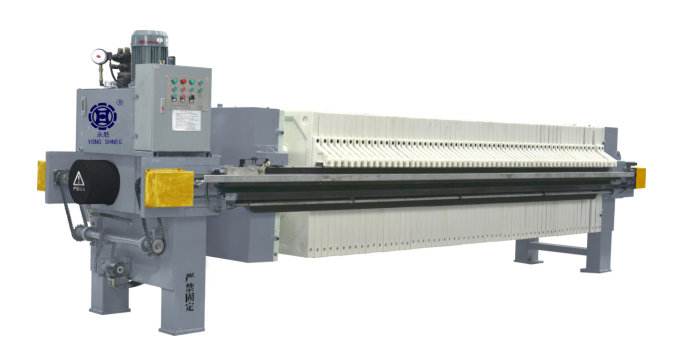
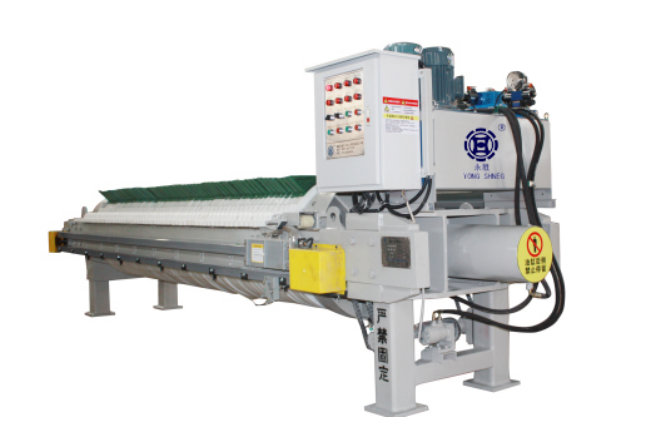
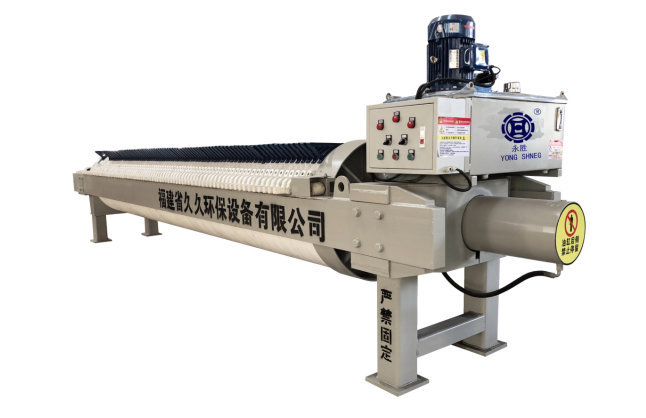
A filter press is a batch-operated, pressure-driven solid–liquid separator. Picture a stack of plastic plates hanging out on a heavy-duty rail; between each pair sits a cloth that looks like your grandma’s dish towel but is woven from polypropylene, nylon, or even Kevlar for high-temp duties. Slurry enters, pressure climbs, water is forced through the cloth, solids stay behind, plates open, cakes drop out—simple, right? Well, the magic is in the micro-movements you never see.
Step-by-Step: How Does a Filter Press Work in Real Time?
- Filling & Sealing—A hydraulic ram or manual screw closes the plate pack, creating sealed chambers. A feed pump ramps up pressure to 5–15 bar, depending on material. Sensors watch flow rate and pressure; if something feels off, the PLC pauses the show.
- Cake Formation—Solids build up on the cloth, forming a “filter cake.” Remember the first time you tried to drink a milk-shake through a too-thin straw? Same physics: the growing cake becomes its own filtration medium, trapping finer and finer particles.
- Core Blowing / Membrane Squeeze—Once the chambers look full, many modern presses inject air or water into membrane plates. The rubber diaphragm balloons, compressing the cake like a sneaky hug, knocking out up to 3–5 % extra moisture. That little trick can save dryer fuel later—ka-ching!
- Cake Washing (Optional)—Need ultra-pure gypsum or lithium carbonate? A second pump forces clean water or solvent through the cake, pushing out mother liquor. Plant operators swear by this step when chloride or sulfate specs are tighter than a new pair of steel-toe boots.
- Air Drying & Cake Discharge—Compressed air is blown through the core, dropping cake moisture another percent or two. Finally, the hydraulic ram opens; the weight of the cake plus a quick shake from the vibration system makes slabs plop onto the conveyor below. Voilà—your slurry is history.
Which Components Pull the Strings?
- Plates & Frames or Recessed Plates: Choose polypropylene for 95 % of apps; for 90 °C+ or strong solvents, go for PVDF or even steel-rubber lined.
- Cloths: Micron rating 1–100 µm. Pro tip: a monofilament yarn is cake-releasing heaven; a multifilament traps fines but blinds faster—pick your poison.
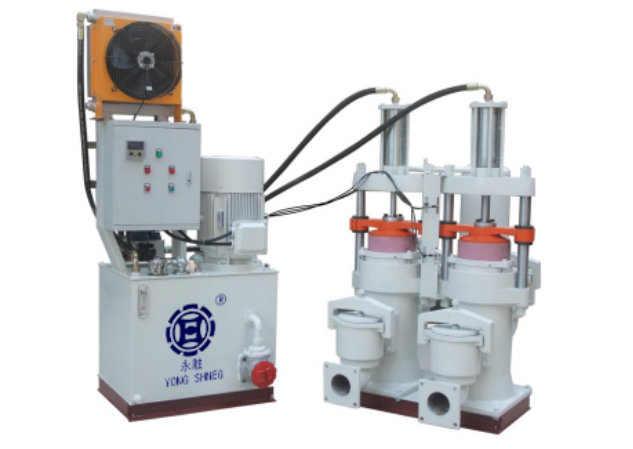
- Hydraulic Power Pack: 2–30 kW. Variable-frequency drives (VFD) shave peaks, cutting power draw up to 25 %.
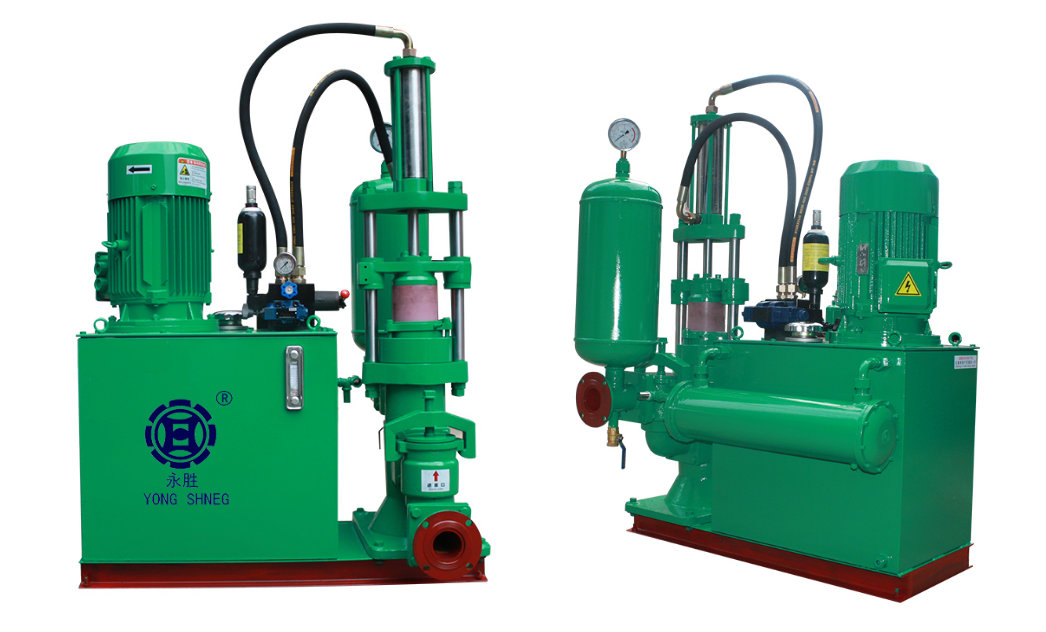
- Feed Pump: Usually a positive-displacement unit—think piston diaphragm or hose pump. A slow, steady ramp prevents cloth blinding and catastrophic cake cracking.
- Automatic Drip Trays & Drip Curtains: OSHA loves these; they keep the floor less slippery than an ice rink.
Hang On—What Influences Cycle Time?
Plenty! Particle size distribution, feed concentration, cloth condition, and even barometric pressure (seriously). A rule of thumb: 30 min cycle for 20 % solids slurry, 90 min for 3 % solids. But, hey, don’t quote me on that—bench-scale testing is your BFF. A quick 5-liter lab press can predict full-scale behavior within 5 % moisture error, saving you from buying the wrong gadget.
Hidden Costs Nobody Mentions
Cloth replacement (every 2 000–4 000 cycles), hydraulic oil changes, and plate warpage due to mis-feed are the silent margin killers. One misaligned cloth fiber can wedge open a 50 µm gap, spraying sludge like a garden sprinkler. The fix? Laser-align your rails yearly and train operators to watch pressure spikes like a hawk.
So, Is a Filter Press Always the Right Choice?
Not necessarily. If your slurry contains oily solids or fibers that turn into slimy spaghetti, a belt press or decanter centrifuge might dewater better. If you need continuous operation 24/7, consider a vacuum drum filter. But for high solids capture (often > 99 %) and super-dry cakes (20–80 % solids depending on material), the humble filter press still punches way above its weight class.
Quick Checklist Before You Hit “Request a Quote”
Grab a pen and jot these down: daily tonnage of dry solids required, target cake moisture, particle top size, pH and temperature range, presence of organics, and local regulations on filtrate discharge. Sales engineers love a customer who arrives armed; you’ll skip weeks of back-and-forth emails and get a realistic price before your next maintenance shutdown.
Alright, that wraps our deep dive into how a filter press works. Ready to slash hauling costs and reclaim water? Run those lab tests, crunch the ROI, and you’ll know whether this veteran of the dewatering world deserves a spot on your concrete pad.