January 23, 2026
How Does a Filter Press Actually Work—and Why Is It Still the Go-To for Slurry Dewatering?
Still Wondering How a Filter Press Works? Let’s Pop the Hood
If you’ve ever stared at a towering stack of plates and frames, scratched your head, and mumbled, “OK, but how a filter press works inside that steel sandwich,” you’re not alone. Even seasoned engineers sometimes skip the fundamentals and jump straight to sizing charts. In the next ten minutes we’ll peel back the mystery—step by step—so you can explain the process to your boss and your kids.
First Things First: What a Filter Press Is NOT
It isn’t a centrifuge, nor is it a belt press. A filter press is a batch-operated, pressure-driven solid–liquid separator. Think of it as a espresso machine for sludge: you push the “brew” button, pressure forces liquid through a filter medium, and the cake stays behind. Simple, right? Well, almost.
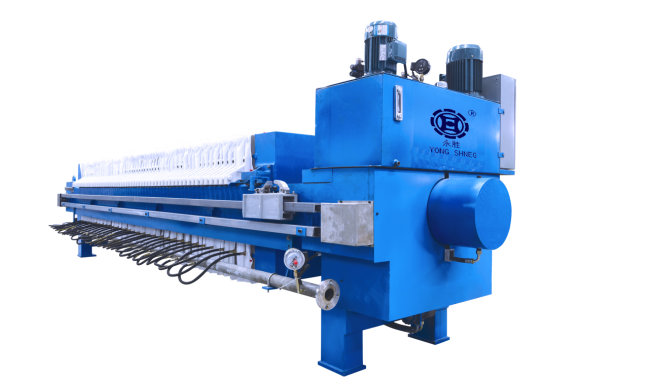
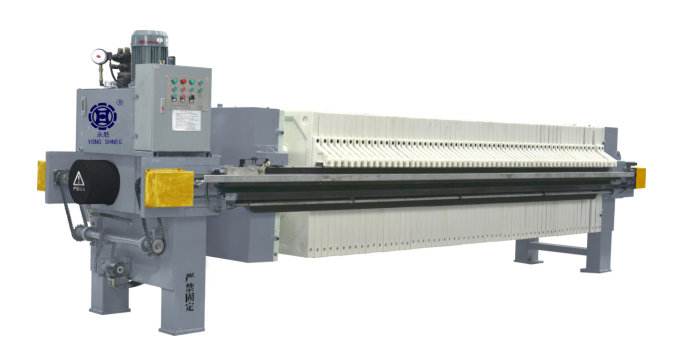
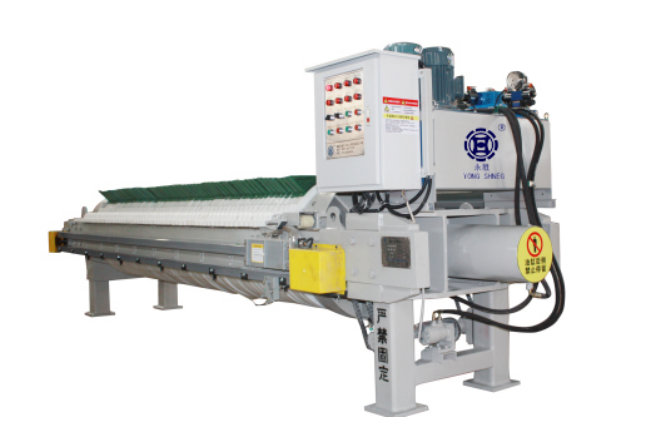
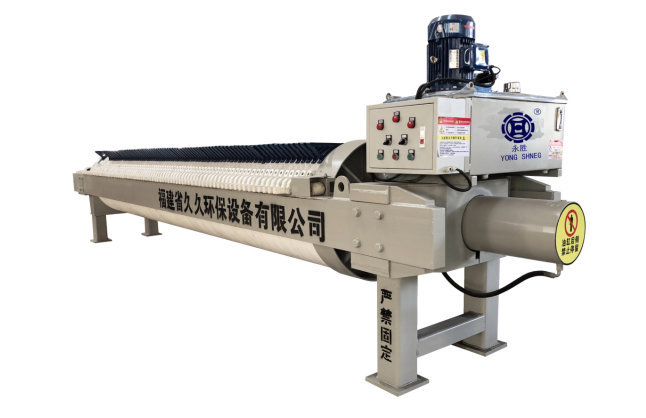
Core Components You Must Know Before We Dive In
- Sidebars or Overhead Beam: the skeleton that holds everything together.
- Hydraulic Ram: the muscle that clamps the plates.
- Filter Plates & Cloth: the heart of the operation.
- Feed Pump: the unsung hero that crams slurry into the chambers.
Got those? Cool, let’s see them in action.
Step-by-Step: How a Filter Press Works, Minute by Minute
1. Filling & Cake Formation
Once the hydraulic system squeezes the plates tight, the feed pump kicks in. Slurry enters each chamber through a common manifold. Pressure climbs—typically 4 to 16 bar—forcing liquid through the cloth while solids start to pile up. Fun fact: the first 90 seconds determine whether you’ll get a fluffy cake or a brick. So yeah, pump curves matter.
2. Pressure Hold & Core Washing (Optional)
When the flow rate drops to a trickle, the controller can hit “core blowing” or “washing” if your process needs ultra-clean cake. Otherwise, the press just sits there, hanging out, while residual moisture keeps dropping. This is the part where operators grab coffee—“we’ll let the machine do its thing.”
3. Plate Shifting & Cake Discharge
A plate-shifter starts moving one plate at a time (or in automated clusters), the cloth flexes, and—plop!—the cake falls into a screw conveyor or bin. If you’ve ever watched brownies sliding out of a silicone tray, you get the visual.
4. Cloth Cleaning & Next Cycle Prep
High-pressure water spray bars rinse residual solids, preventing cloth blinding. Some plants skip this to save water, but pay for it later with shorter cloth life. Choose your poison.
Why Pressure Beats Gravity Every Time
Gravity settlers work, sure, but they need gigantic footprints and weeks of residence time. By cranking up pressure, a filter press squeezes the same separation into minutes and a footprint smaller than your conference room. Plus, you can hit cake moistures as low as 20 wt%, something gravity can’t touch.
Real-World Performance Numbers Nobody Shares
| Industry | Feed Solids (%) | Cake Solids (%) | Cycle Time (min) |
|---|---|---|---|
| Municipal Biosolids | 2–4 | 35–45 | 120 |
| 25–30 | 82–88 | 60 | |
| Alumina Hydrate | 10–15 | 75–80 | 45 |
Common Design Tweaks That Save Thousands
Membrane Plates
These have a flexible diaphragm that inflates at the end of the cycle, giving cake an extra hug and knocking off another 3–5% moisture. Result? Lower dryer fuel bills.
Automatic Cloth Washing Carriage
Yeah, it adds US$30 k upfront, but can stretch cloth life from 2 000 to 8 000 cycles. Do the math: at US$60 per cloth × 150 plates, you’re looking at serious coin.
So, How Do You Size One Without a PhD?
Rule of thumb: take your daily dry tonnage, multiply by 1.2 for safety, then divide by the number of cycles you can squeeze into a shift. That gives you solids per cycle. Most vendors publish “cake thickness vs chamber volume” charts—match your number and Bob’s your uncle. Easy-peasy.
Troubleshooting Corner: Quick Fixes for 3 AM Headaches
- Cloudy filtrate? Check cloth integrity first; a torn cloth is usually the culprit.
- Plates won’t close? Eyeball the hydraulic oil temp—cold oil jacks up viscosity and trips pressure sensors.
- Uneven cake? You probably have a clogged feed hole. Grab a rod and poke away.
Future-Proofing: Where Filter Press Tech Is Headed
Internet-of-Things (IoT) sensors now track cloth differential pressure and predict failures days ahead. Add variable-frequency drives (VFDs) on feed pumps, and you can dial pressure curves to match sludge rheology in real time. Bottom line: the humble filter press isn’t fading; it’s getting smarter.
Ready to Spec Your Next Unit?
Now that you know exactly how a filter press works, you can talk turkey with suppliers, compare membrane vs chamber plates, and even challenge their cycle-time claims. Knowledge = leverage, and leverage = dollars saved.