February 27, 2026
How Do You Size a Filter Press Without Overspending on Spare Capacity?
Why “Sizing” Isn’t Just Picking the Biggest Press on the List
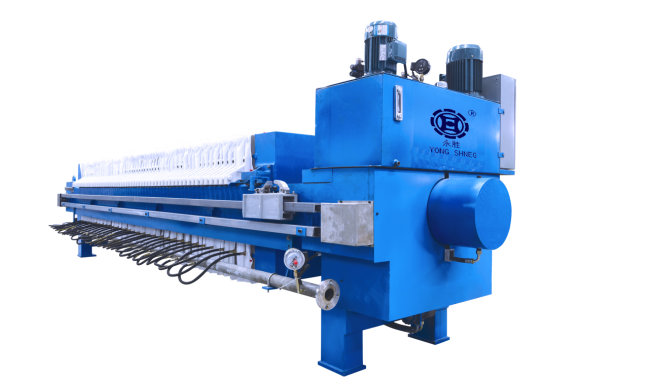
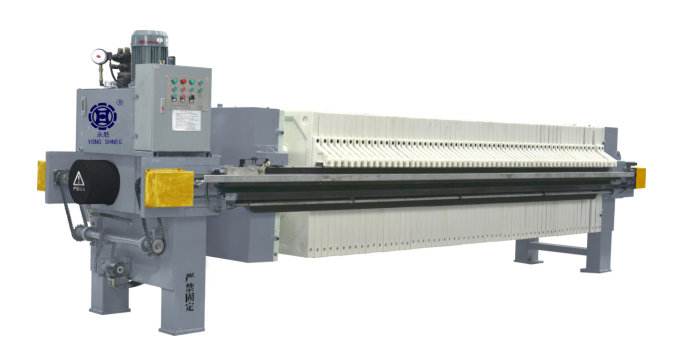
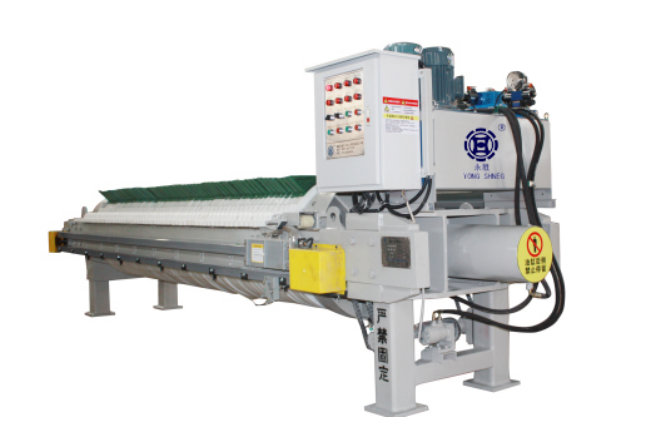
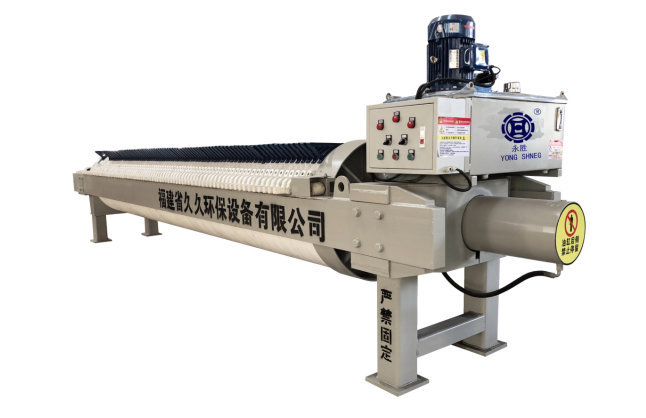
Let’s face it—how to size a filter press sounds like a dry engineering chore… until you realize that a unit 20 % too large can quietly bleed $30 k a year in wash-water, electricity, and labor. Suddenly that “dry chore” is dripping real money. The trick is to match the actual solids load, not the wish-list flow rate scribbled on the back of a napkin during last week’s meeting.
The 60-Minute Audit Every Plant Manager Can Run
Before you open any sizing software, grab a 5-gal pail and a stopwatch. Seriously. Measure the slurry density at the discharge point, then time how long it takes to fill the bucket. Do this three shifts in a row; you’ll be amazed how the numbers dance. Jot down temperature, pH, and whether the night crew sneaks in extra flocculant (they always do, don’t they?). These four data points—volume, % solids, temperature, chemical dose—shrink the guesswork by half.
From Buckets to Equations: the Three Variables That Matter
Filter-press suppliers love to throw 40-page questionnaires at you, but 95 % of sizing headaches boil down to:
- Cake thickness you can live with (15 mm vs. 32 mm changes plate count by ~40 %)
- Cycle time you can afford (a 2-h batch that finishes in 90 min frees up 25 % more capacity without buying a bigger press)
- Solids loading per cycle—this is where that bucket test lives
Plug those three into the classic formula:
Filter area (m²) = (Dry solids per cycle × Safety factor) ÷ (Cake density × Cake thickness)
A 1.3 safety factor keeps you safe Monday morning, but anything above 1.5 and you’re paying for steel you’ll never use.
Real-World Curveball: When Your Slurry Hates Mondays
One Ohio lime-sludge plant sized everything by the book, yet every Monday the press choked. Turns out weekend CIP chemicals changed the zeta potential just enough to cut cake porosity by 8 %. The fix? We dialed back the safety factor from 1.4 → 1.25 and added a 30-min pre-coat cycle. Capital cost stayed flat, throughput jumped 17 %. Moral: how to size a filter press isn’t only math; it’s anthropology—study your operators’ habits first.
Plate Pack or Membrane: Which One Pushes Through More Gallons Per Square Foot?
| Style | Typical Cake Wash | Final Moisture | Relative Footprint |
|---|---|---|---|
| Standard chamber plates | Poor | 30–35 % | 1.0× |
| Membrane plates | Excellent | 18–25 % | 0.85× |
If landfill tipping fees are killing you, the membrane version often pays for itself in six lousy months. And yeah, the up-front quote stings, but hey, your accountant will high-five you every quarter.
The 4-Step Cheat Sheet to Stop Over-Sizing
- Step 1: Measure hourly solids (bucket test, remember?)
- Step 2: Pick target cycle—2 h is the sweet spot for most industrial sludges
- Step 3: Use 1.2–1.3 safety factor; resist the “what-if” voices
- Step 4: Cross-check with at least two vendors, but never reveal the competitor’s area number—watch them sharpen their pencils real quick
Software Ain’t Gospel—Trust but Verify
Even the best simulators assume perfect cloth permeability. In the trenches, cloth blinding can knock 15 % off flux in a week. So request a pilot skid for a month; most reputable OEMs will rent you one. Run it on your nastiest shift, then scale the area by the lowest flux you recorded, not the glossy brochure value. Sounds conservative, but you’ll sleep like a baby the first year.
Quick Hitter: Spare Parts That Change the Sizing Equation
Planning to buy 20 % extra plates “just in case”? Each additional 1 500 mm plate adds ~$400 and 18 kg of steel. If you really need flexibility, spec a wider hydraulic closure instead; you can squeeze in two extra plates later without swapping the cylinder. Future-proofing without the pork.
Bottom Line—Size Tight, Then Iterate
Once the press is in, track cycle time, cake weight, and moisture for 90 days. Feed that data back into the model; you’ll usually find you can push 5–10 % more slurry through the same cloth by tweaking inlet pressure or adding a second feed port. Continuous improvement beats over-building every single time. And if someone on the line tells you “bigger is always safer,” just smile and hand them the water bill—conversation over.