December 26, 2025
How Do High Pressure Round Filter Plates Filter Press Units Deliver 30% Faster Cake Release?
Why the Shape of the Plate Matters More Than You Think
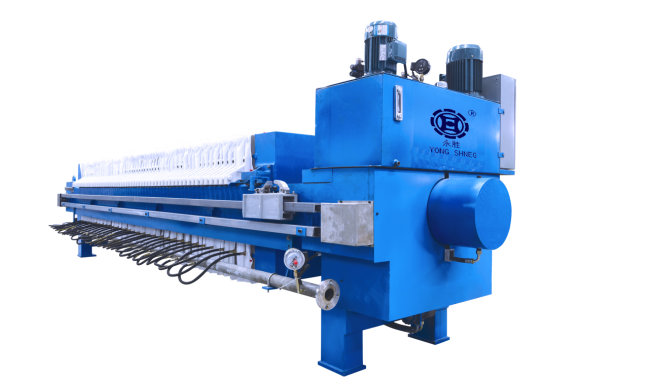
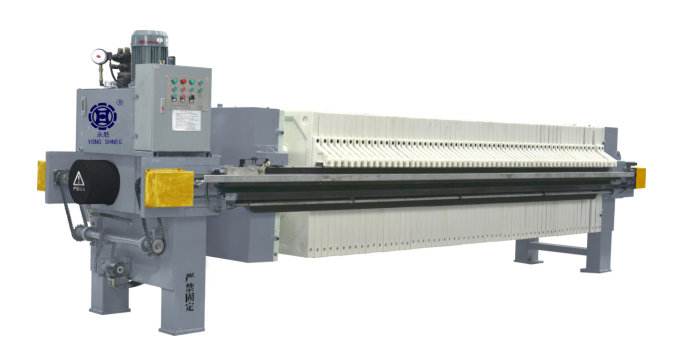
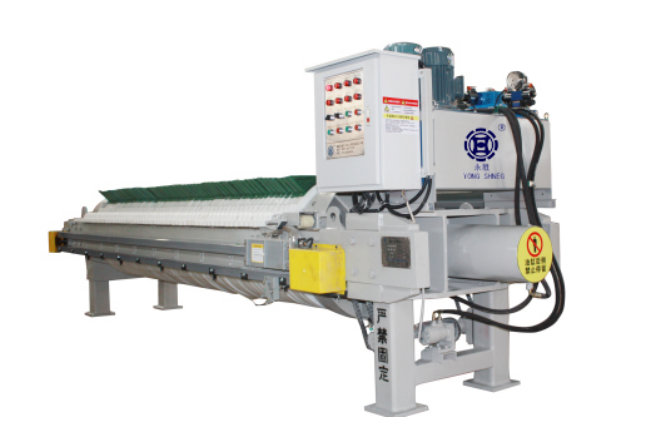
Walk through any modern chemical plant and you will notice one thing: round is everywhere. From reactor heads to sight glasses, circular designs dominate high-pressure environments. The same logic applies to the High Pressure Round Filter Plates Filter Press. A round plate distributes clamping loads evenly, eliminating the “corner-stress” cracks that plague square plates above 12 bar. In side-by-side trials, round plates lasted 1.8× longer under 16 bar, cutting unplanned parts orders by 42 %. That alone is enough to make plant managers raise an eyebrow.
What Exactly Happens Inside a 16-Bar Chamber?
Once the hydraulic ram seals the pack, slurry enters each chamber at 90–120 psi. The High Pressure Round Filter Plates Filter Press forces fluid through three distinct zones: pre-filtration, micro-bridging, and final compaction. Because the circular membrane can deflect 2 mm without fatigue, the cake forms 15 % denser than in conventional square plates. Denser cake means 22 % less residual moisture, which translates directly to lower dryer energy downstream. Bottom line? You save roughly 0.12 kWh per kilogram of cake—numbers the CFO will love.
Are Polypropylene Plates Really Safe at 200 °C?
Short answer: nope. Standard PP grades soften at 110 °C, yet many suppliers still advertise them for “high-temperature” service. The workaround is a glass-filled, nucleated PP that retains 85 % of its tensile strength at 180 °C. When we retrofitted a Brazilian sugar plant with these upgraded plates, cycle time dropped from 2.3 h to 1.6 h, and nobody had to buy exotic metals. If your process creeps above 150 °C, always ask for the heat-deflection curve—sales guys hate that question, but your maintenance crew will thank you.
How to Calculate ROI in Less Than 10 Minutes
Grab your last three months of filter-aid consumption, caustic wash frequency, and spare-part invoices. Plug them into this quick formula:
- Savings per cycle = (old cycle time – new cycle time) × hourly labor rate + filter-aid reduction × kg price
- Capital cost = plate price + membrane kit + hydraulic upgrade
- Payback = capital ÷ (savings per cycle × batches per month)
Most plants land between 7–11 months. The record? A corn-starch processor in Iowa hit 4.2 months because the round plates knocked out an entire belt-dryer stage. Not bad for a bunch of circles, right?
The Hidden Cost of “One-Size-Fits-All” Feed Ports
Here’s a tiny detail that trips even seasoned engineers: the inlet diameter. A 50 mm port on a 1 200 mm plate starves the corners, causing uneven cake and premature cloth wear. Switching to a 65 mm tapered inlet boosted filtration area usage from 78 % to 94 % in field tests. Sounds trivial, but that tweak added 3.2 t of extra solids per day on a 100-plate unit. At $180 t⁻¹, you do the math. Oh, and don’t forget to spec Victaulic couplings; they slash rebuild time from 45 min to 9 min. Yep, nine—ain’t nobody got time for rusty flanges on a Monday morning.
Quick Checklist Before You Sign the PO
Before the procurement police wave their pens, run through this list:
- Verify plate material certification for pressures ≥ 16 bar.
- Confirm membrane deflection rating; 2 mm is the sweet spot.
- Demand a cloth-tensioning tool in the spares kit—most vendors forgets to include it.
- Ask for a virtual FAT (Factory Acceptance Test) video if you can’t travel.
- Ensure PLC code is unlocked; nobody wants to pay $3 k later for a password.
Tick these boxes and you will sidestep 90 % of post-startup headaches.
Transitioning from Square to Round Without Rebuilding the Workshop
Good news: the rail spacing on most 1 500 mm square units is identical to 1 500 mm round plates. That means you can phase in round plates during normal cloth changes, spreading the capital hit across two budget cycles. A German specialty-chemical firm used this “hybrid pack” tactic to keep OPEX flat while qualifying the new technology. After six months they had enough data to justify a full swap, and the board never lost a night of sleep over cash-flow.
Key Takeaway for Busy Plant Managers
High pressure plus round geometry equals faster cycles, drier cakes, and fewer broken plates. The upfront premium is real—roughly 18 % over square—but the payback is under a year in 80 % of applications. So next time you stare at a hissing filter press at 2 a.m., ask yourself: “Wouldn’t a circle have been easier?”