January 30, 2026
How Can the Application of Filter Press Cut Costs and Boost Sustainability?
Why the Filter Press Is Stealing the Spotlight in Liquid-Solid Separation
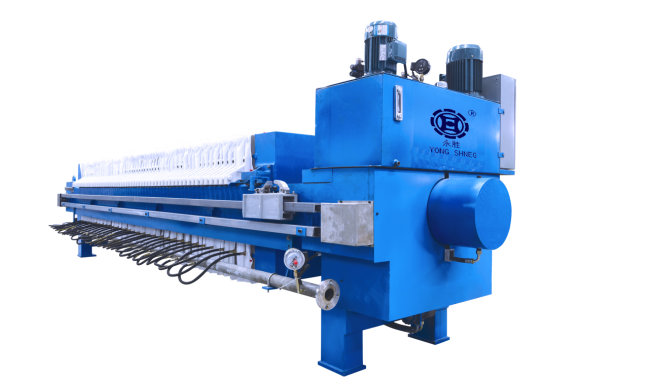
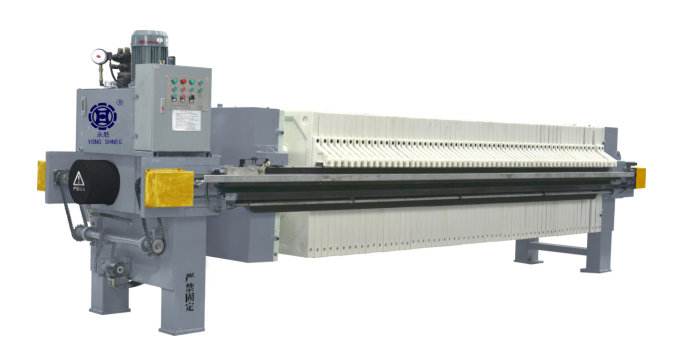
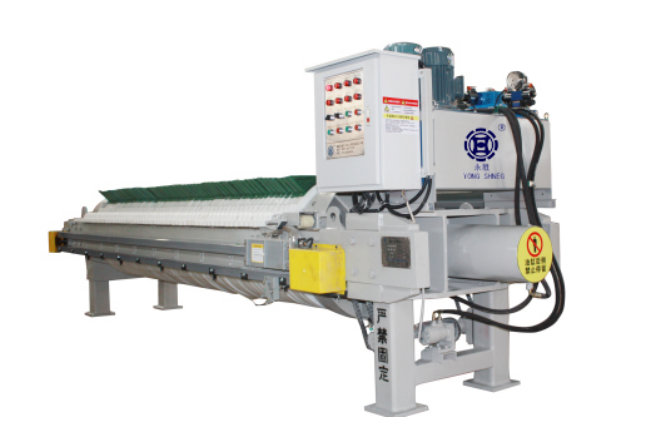
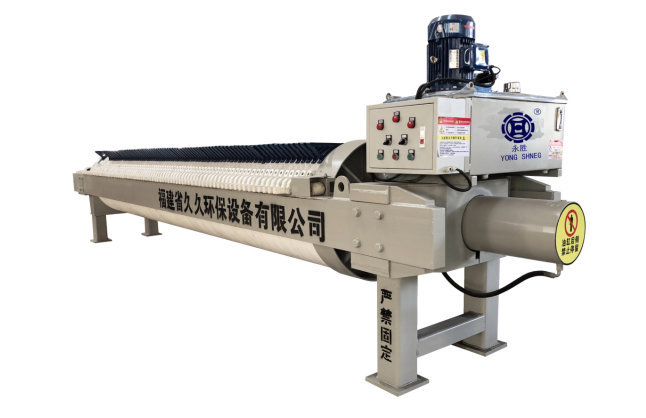
If you have ever stared at a murky slurry wondering how to squeeze every last drop of reusable water out of it, you are not alone. The application of filter press technology has quietly become the go-to move for engineers who need a dry cake, a clear filtrate, and a smaller disposal bill—all at once. Unlike belt or drum filters that can guzzle electricity and floor space, a modern filter press delivers up to 95 % solids recovery in a footprint that basically fits “a parking spot,” as one plant manager casually told me last week. That tiny footprint, by the way, can slash building costs, especially on green-field sites where every square meter is money.
From Mining to Food-Grade: Where Does the Filter Press Really Shine?
1. Mining & Aggregate
Copper, gold, lithium—name a metal, and chances are the tailings pond next to it is a political headache. By injecting a recessed-plate filter press into the tailings line, miners can stack dry, geotechnically stable cakes that pass the “stackability” test and reclaim up to 85 % of process water. The hidden win? Less make-up water drawn from local rivers, which keeps NGOs off your back.
2. Chemical Manufacturing
When a specialty chemical plant in Rotterdam swapped its centrifuge for a membrane filter press, the moisture of its organic pigment dropped from 35 % to 9 %. That single change trimmed 1.2 GWh of downstream drying energy per year—enough to power 350 homes. The payback? Under 14 months, including the cost of new filter cloths.
3. Food & Beverage—Yes, It Is Safe
Stainless-steel filter presses with FDA-grade gaskets now clarify apple juice, edible oils, even craft beer. Brewers love the gentle squeeze that keeps aromatics intact while knocking out proteins that cause chill haze. One Oregon brewery even markets its spent-grain cakes to local bakeries; talk about circular economy goals.
Key Design Tweaks That Turbo-Charge Performance
Let’s get practical. Not every filter press is born equal; these upgrades can turn a decent unit into a beast:
- Membrane plates that inflate to 16 bar give an extra squeeze after cake formation, cutting moisture by another 5–7 %.
- An automatic cloth washing carousel extends cloth life from 2 000 to 8 000 cycles, slashing maintenance hours—trust me, nobody enjoys climbing inside the press with a power washer at 2 a.m.
- Variable-frequency drives on the feed pump smooth out pressure spikes, which means less “blinding” of the filter cloth and, incidentally, lower spare-parts budget.
Digital Twins & IoT: The Quiet Revolution
Still think a filter press is just hydraulics and steel? Modern units come with cloud-based digital twins that predict cloth failure three weeks ahead of time by tracking pressure rise rates and filtrate turbidity. One phosphate plant in Morocco credits the twin with preventing a 72-hour unplanned shutdown—worth about €1.4 M in lost production. Not bad for a sensor package that costs less than a mid-range sedan.
Crunching the Numbers: ROI in Real Life
Here is a quick case snapshot:
| Parameter | Before (Centrifuge) | After (Filter Press) |
|---|---|---|
| Cake moisture | 28 % | 16 % |
| Disposal cost/year | €480 k | €240 k |
| Water recovery | 60 % | 88 % |
| Energy for drying | Baseline | –32 % |
Bottom line: the €1.1 M capital spend paid itself back in 11 months, and the plant now markets itself as “zero-liquid-discharge ready,” which is a nice feather in the ESG cap.
Common Pitfalls—and How to Dodge Them
Even the best tech can trip over rookie mistakes:
- Under-sizing the feed pump. A pump that stalls at 6 bar when your cycle target is 12 bar will stretch cycle time and murder productivity.
- Ignoring cloth specification. Polypropylene at 100 °C? Nope, it will warp faster than you can say “thermal deformation.”
- Skipping the pre-coat. Especially with slimy biological solids, a diatomaceous earth pre-coat can be the difference between 30 minutes and 3 hours of cake formation.
Future Trends: What Is Next After the Standard Filter Press?
Research labs are testing fully continuous filter presses that use rotating chambers, theoretically eliminating batch downtime. Meanwhile, start-ups are flirting with graphene-coated plates that repel the stickiest biosolids, promising cloth life beyond 30 000 cycles. Will these gimmicks take over? Maybe in five to ten years, but for now the robust, proven recessed-plate design still offers the safest ROI.
Quick Checklist: Is a Filter Press Right for You?
Answer “yes” to three of these and you should be calling vendors tomorrow:
- Your slurry solids content is between 5 % and 40 %.
- You pay >€80 per ton of hazardous sludge disposal.
- You need to reclaim water for process reuse or environmental compliance.
- You have limited floor space but decent headroom.
Final Thoughts
The application of filter press systems is no longer a niche play for mining giants; it is a mainstream strategy for any industry that wants drier solids, clearer water, and lower operating cost. If you are still tolerating soggy cakes and spiralling disposal fees, maybe it is time to press the reset button—literally.