January 13, 2026
How Can a Wind Cooling Ceramic Piston Slurry Pump Slash Your Maintenance Budget Overnight?
Why Are Maintenance Teams Obsessing Over This Pump?
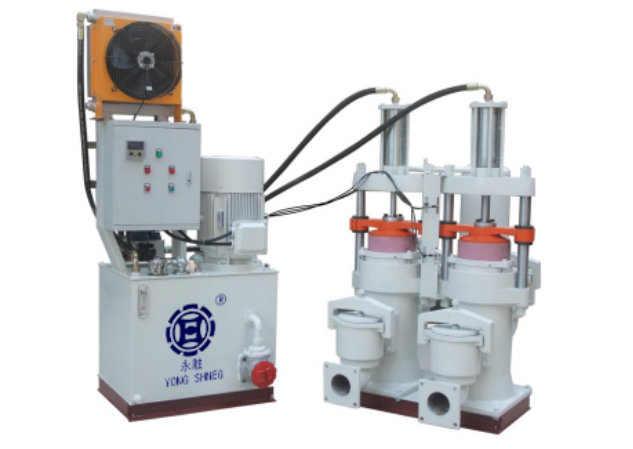
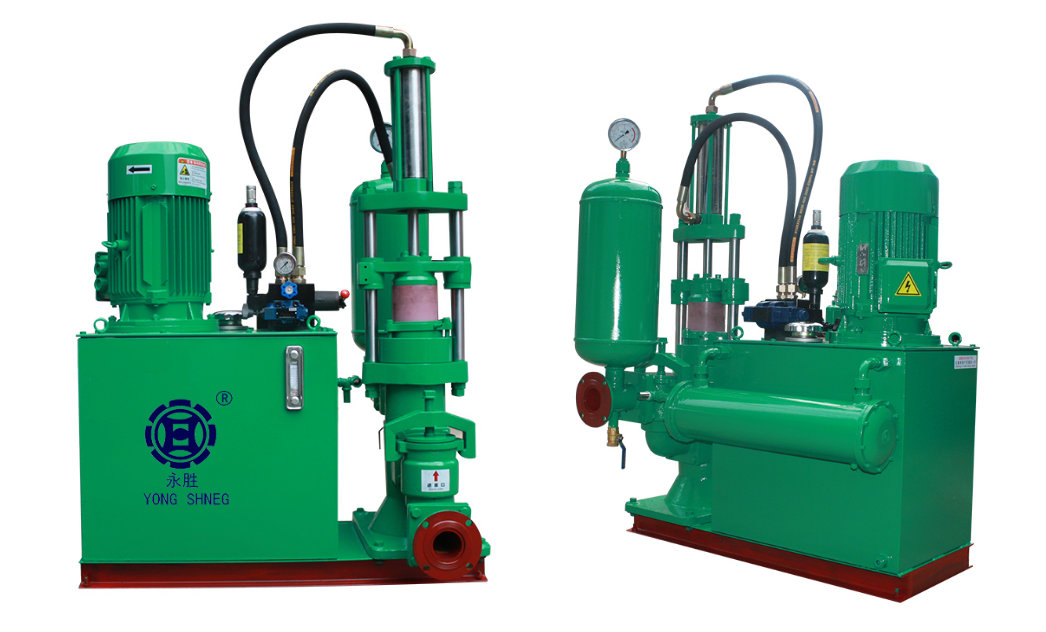
Let’s cut to the chase: if you run a mine, a chemical plant, or a dredging operation, downtime is the silent profit killer. Traditional slurry pumps packed with rubber or metal liners are always in the repair shop. Mechanics joke that the only thing thicker than the slurry is the stack of work orders. Enter the Wind Cooling Ceramic Piston Slurry Pump—a mouthful, yeah, but one that’s rewriting the playbook on abrasion resistance and heat dissipation. So what’s the big deal, and why are engineers suddenly swapping out legacy models for this ceramic beast?
What Exactly Is Wind Cooling in a Ceramic Piston Design?
Most of us picture a fan bolted onto a motor when we hear “wind cooling,” yet inside a ceramic piston pump the concept is way slicker. A patented spiral groove is machined into the ceramic sleeve; as the piston reciprocates, it drags ambient air through that groove, creating a micro-tornado that pulls heat away from the friction zone. No extra energy draw, no auxiliary fans, no kidding. The ceramic matrix itself—96 % alumina—has a thermal conductivity roughly 15 times lower than steel, so the little heat that is generated never reaches the elastomer seals. Translation: your packing lasts three to four times longer, and you can finally scheduling maintenance on your terms, not the pump’s.
Ceramic vs. Chrome Plated Liners: a TKO in Three Rounds
Round 1—Abrasion: Chrome dips at 800 HV; alumina ceramic clocks in at 2 100 HV. Round 2—Corrosion: Chloride-rich slurries eat chrome for breakfast, but ceramic just yawns. Round 3—Temperature spikes: Chrome softens above 250 °C; ceramic stays rock-solid past 1 000 °C. When you tally up replacement hours, spare-part dollars, and lost throughput, the ceramic piston doesn’t win on points—it lands a clean knockout.
Does Wind Cooling Really Extend Seal Life by 400 %?
A South-American copper concentrator swapped ten conventional piston pumps for wind-cooled ceramic units on its flotation tailings line. After 14 months the original seals were still intact, whereas the old fleet averaged a 3-month seal swap. The secret sauce? Lower operating temperature reduces elastomer embrittlement. Mechanics on site, speaking kinda off the record, admitted they had to “invent” work orders just to have something to do. Numbers don’t lie: spare-parts spend dropped 68 %, and unscheduled downtime fell from 38 hours per quarter to less than 6.
Can This Pump Handle Frothy, High-Viscosity Slurries?
Short answer—yep. The open-piston architecture and oversized suction valve create a velocity boost that breaks foam bubbles before they collapse inside the chamber. Meanwhile, the non-stick ceramic surface prevents viscous clays from building up. A phosphate plant in North Africa reported stable flow rates even when solids climbed to 68 % by weight and apparent viscosity topped 4 000 cP. Operators simply dialed back the stroke length via the VFD, avoiding the cost of a bigger pump. Pretty neat trick, huh?
Installation Checklist: Five Tiny Details That Make or Break Performance
- Baseplate flatness: shim to ≤0.2 mm over 1 m to prevent ceramic sleeve distortion.
- Suction pipe velocity: keep it below 1.8 m s¯¹; any faster and you’ll chip the ceramic inlet.
- Priming protocol: never run dry longer than 15 seconds—ceramic hates thermal shock.
- Stroke calibration: start at 40 % stroke for the first 50 hours to lap-in the piston.
- Spare piston storage: store vertically in original foam; ceramic is brittle, so a 2 cm drop can spell disaster.
Bottom Line: Is the Higher CAPEX Worth It?
Sticker shock is real—one wind-cooled ceramic piston slurry pump runs about 1.7× the price of a rubber-lined counterpart. But factor in a 70 % cut in spare parts, 60 % fewer labor hours, and an extra 4 200 tonnes of ore processed per quarter, and the payback clocks in at 7–9 months. After that, it’s pure gravy. So yeah, the math checks out.