March 3, 2026
Can a Mini Filter Press Really Outperform Larger Units in Pilot Testing?
Why Pilot Plants Are Betting on the Mini Filter Press Trend
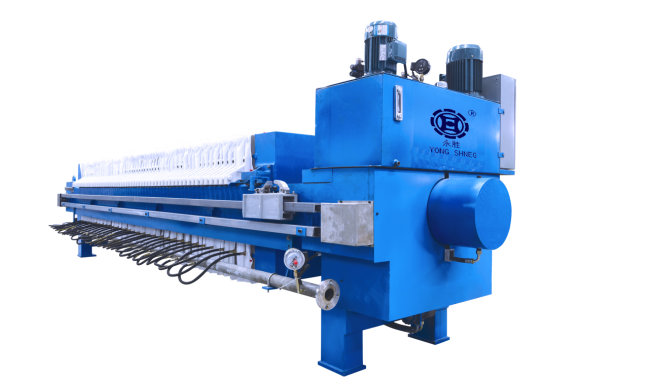
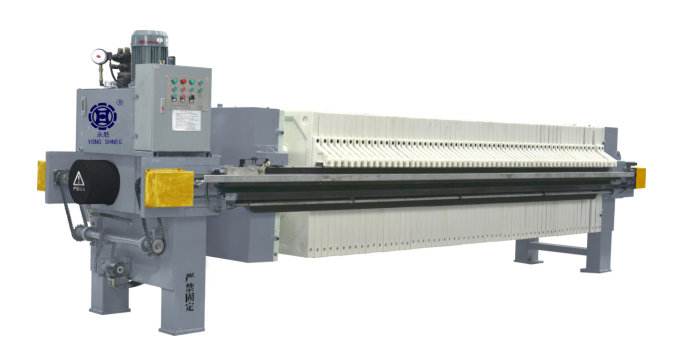
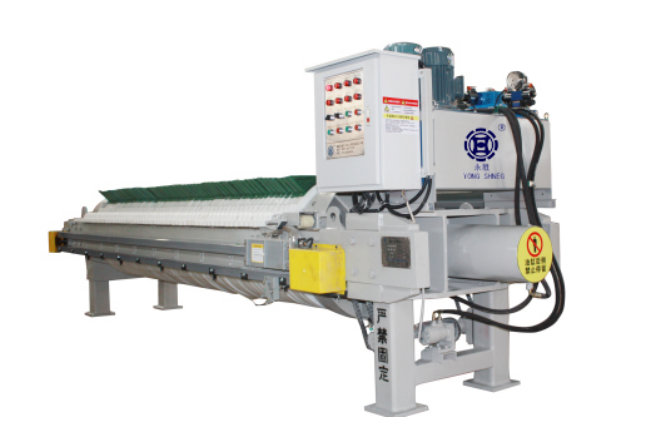
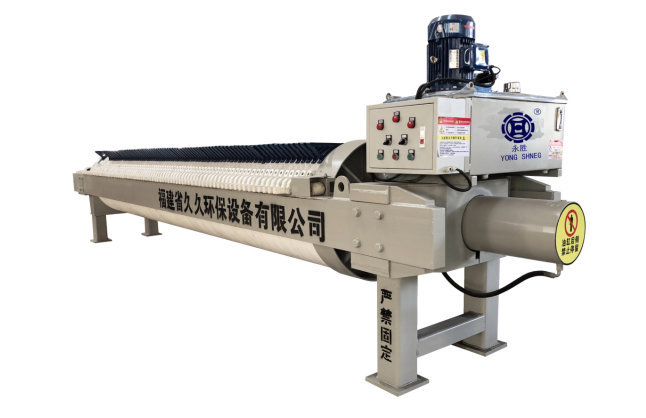
Walk through any modern pilot facility and you will spot something interesting: engineers clustering around a mini filter press no bigger than a desktop PC. It looks cute, sure, but the real question is whether this scaled-down workhorse can deliver data that actually scales up. Spoiler alert—when configured correctly, it often beats its bigger brothers in speed-to-data and cost-per-litre filtered. Let’s unpack why.
What Exactly Counts as a “Mini” Filter Press?
Industry jargon is messy; one supplier’s “mini” is another’s “lab” unit. The consensus: anything with plate sizes ≤ 470 mm and filtration areas ≤ 8 m² falls into the mini camp. These footprints squeeze easily into fume hoods or skid frames, yet they retain the multi-plate pressure mechanics of full-scale units. Translation? Cake compression, wash sequences, and air-blow drying can be mimicked one-to-one, which is kinda huge for validation work.
Five Hidden Advantages You Only Notice at Pilot Scale
- Speed of set-up—a single tech can have the unit running in under 30 min, no forklift ballet required.
- Lower slurry appetite; 20–50 L is enough for a repeatable cycle, saving precious bench-scale feed.
- Real-time tweakability: swap filter cloths, change feed pressure or cake thickness mid-batch without breaking the bank.
- Data density: because plates are small, you can afford to run triplicates and still finish before lunch.
- Environmental footprint; less cleaning solvent, less waste cake, happier EHS manager.
And here’s the kicker: those pint-sized plates reach the same core pressure (up to 16 bar) as industrial giants, so the capillary pressure curves you record are legit for scale-up. Neat, huh?
Case Snapshot: Slashing 40 % of Polishing Costs in APIs
A European pharma group needed to separate a sticky polymorphic API after crystallisation. Their 150 mm pilot line choked on cycle times exceeding 90 min. Switching to a 300 mm mini filter press with membrane squeeze plates trimmed the cycle to 35 min and cake moistures from 38 % to 21 %. The result? Dryer cakes, fewer downstream dryer shifts, and a projected 40 % cost cut when projected to 2000 L batches. Not bad for something you can carry upstairs.
Common Configuration Mistakes That Kill Repeatability
Even seasoned engineers mess this up. The biggest boo-boo? Underspecifying the feed pump. A dinky peristaltic pump will stall once cake resistance ramps, giving you an artificially rosy flux. Match pump curves to at least 1.5× the expected maximum pressure, or your data will be toast. Another gotcha: ignoring cloth creeping. Mini frames flex more than large ones; retorque after the first three cycles or witness weeping cakes (and grumpy supervisors).
How to Nail Your Lab-to-Plant Scale-Up Factor
First, normalise by cake thickness, not filtration area. Record specific cake resistance (α) and medium resistance (Rm) under constant-pressure mode. Then run a variable-pressure test on the plant’s expected pressure profile. Finally, correct for cloth blinding by running at least 30 cycles; α usually rises 15-30 % as pores clog. Use that corrected α in your plant sizing software and—voilà—you will land within ±5 % of target area. Yep, five percent, which beats the 20-30 % safety factor plants still slap on “just because.”
Integration Tips for Skid Builders
Design the mini filter press early in your skid layout; its centre-of-gravity is lower than a centrifuge, so you can shave steel costs. Position the filtrate tank directly below to rely on gravity drain rather than a scavenger pump. And please, plumb a separate CIP line with 180° spray balls; hand-cleaning cloths is a mood killer, trust me.
Bottom Line: When Does Downsizing Make Sense?
If your project demands fast, data-rich validation with minimal feedstock, a mini filter press is tough to beat. It won’t replace a 2 m² industrial unit in full production, but for proof-of-concept, regulatory filing, or campaign-style multi-product plants, the ROI is, well, pretty sweet. Just spec it right, run it like you hate surprises, and let the numbers do the talking.